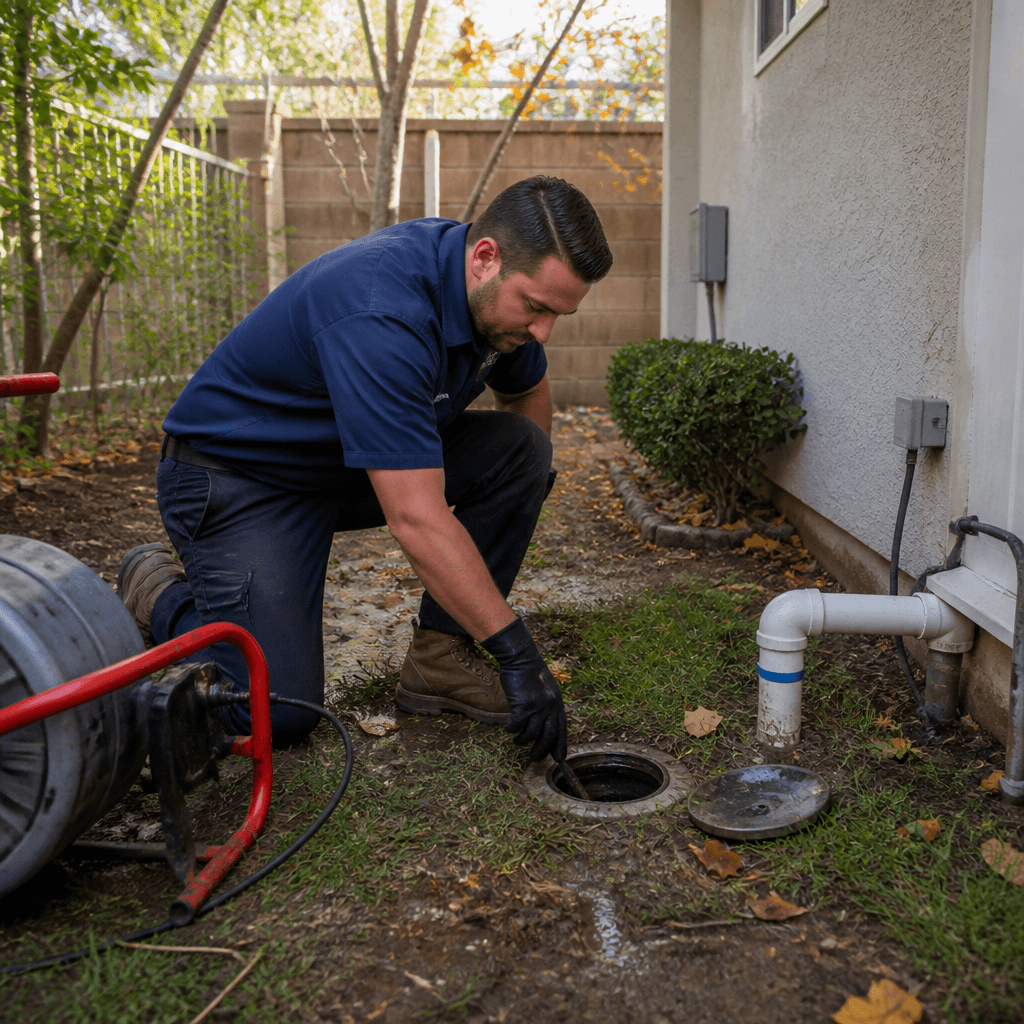
• Tankless water heaters need regular care to stay efficient and avoid surprise problems. Small tasks like flushing the system, cleaning filters, and checking flow can help prevent buildup and uneven hot water.
• Fall is a smart time to pay attention to your tankless system before hot water demand increases. Catching leaks, scale, or temperature changes early can help you avoid costly repairs and keep comfort steady.
• Tankless water heater maintenance explained in simple terms means keeping the unit clean, checked, and ready to perform. A licensed plumber can spot issues that homeowners may miss and help the system last longer.
Introduction
September is a good time to pay attention to your water heater before cooler weather puts more demand on it. A tankless unit can work well for years, but only if it gets the right care at the right time. When small issues get ignored, they can turn into weak flow, higher energy use, or sudden shutdowns when you need hot water most.
That is why tankless water heater maintenance explained matters for homeowners who want steady comfort through the fall. We often see problems start with mineral buildup, dirty filters, or parts that have not been checked in a while. If you wait until the system starts acting up, you may be dealing with an avoidable service call during a busy season.
We help homeowners stay ahead of those problems with smart upkeep and careful inspections, and our tankless water heater services are built around keeping systems running the way they should. A little attention now can mean better performance when temperatures drop and hot water use goes up. The goal is simple: fewer surprises, smoother operation, and a system that is ready for fall.
How Tankless Care Protects Performance
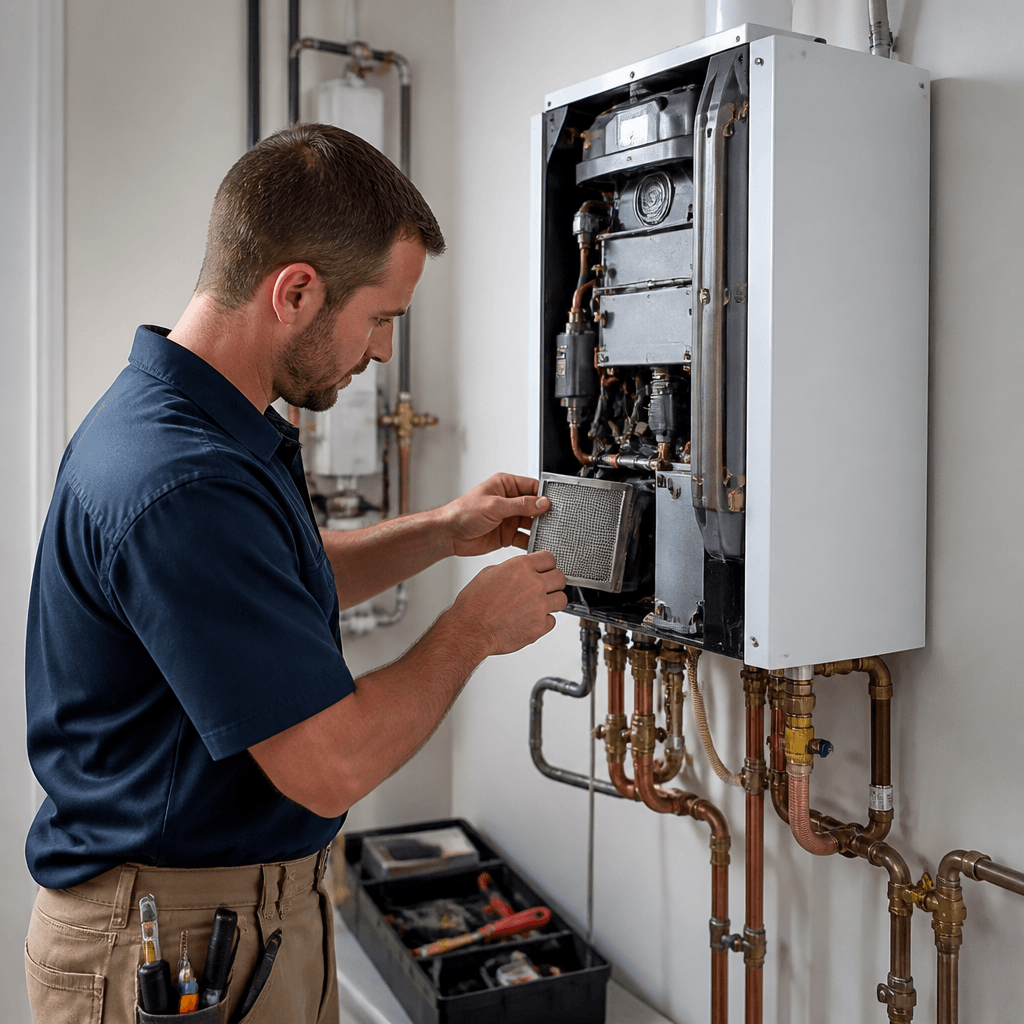
Tankless systems heat water as it flows, which means they depend on clean parts and good water movement to work well. When buildup collects inside the unit, it can slow the process and make the heater work harder than it should. That extra strain can shorten the life of the system and leave you with uneven hot water.
Regular care also helps us catch warning signs before they grow into bigger problems. We look at water flow, connections, filters, and flushing needs so the unit stays efficient and dependable. In many homes, this kind of routine care is the difference between a smooth season and a frustrating outage.
Tips from the Pros
🧼 Tip 1: Flush the system on a regular schedule
Flushing helps clear mineral buildup from inside the unit, which is one of the most common causes of trouble. Most homes benefit from doing this at least once a year, and more often in areas with hard water.
🔎 Tip 2: Check for slower hot water flow
A drop in hot water flow can point to scaling, blockage, or a filter issue. If the water starts taking longer to heat, the system may need attention before the problem gets worse.
📋 Tip 3: Keep up with filter cleaning
A dirty filter can make the unit work harder and reduce performance. Cleaning it on a regular schedule helps the system move water the way it should.
🌡️ Tip 4: Watch for temperature swings
If the water gets too hot, too cool, or changes during use, the heater may need a checkup. Stable temperature is a good sign that the system is working as expected.
🛠️ Tip 5: Look for leaks or moisture near the unit
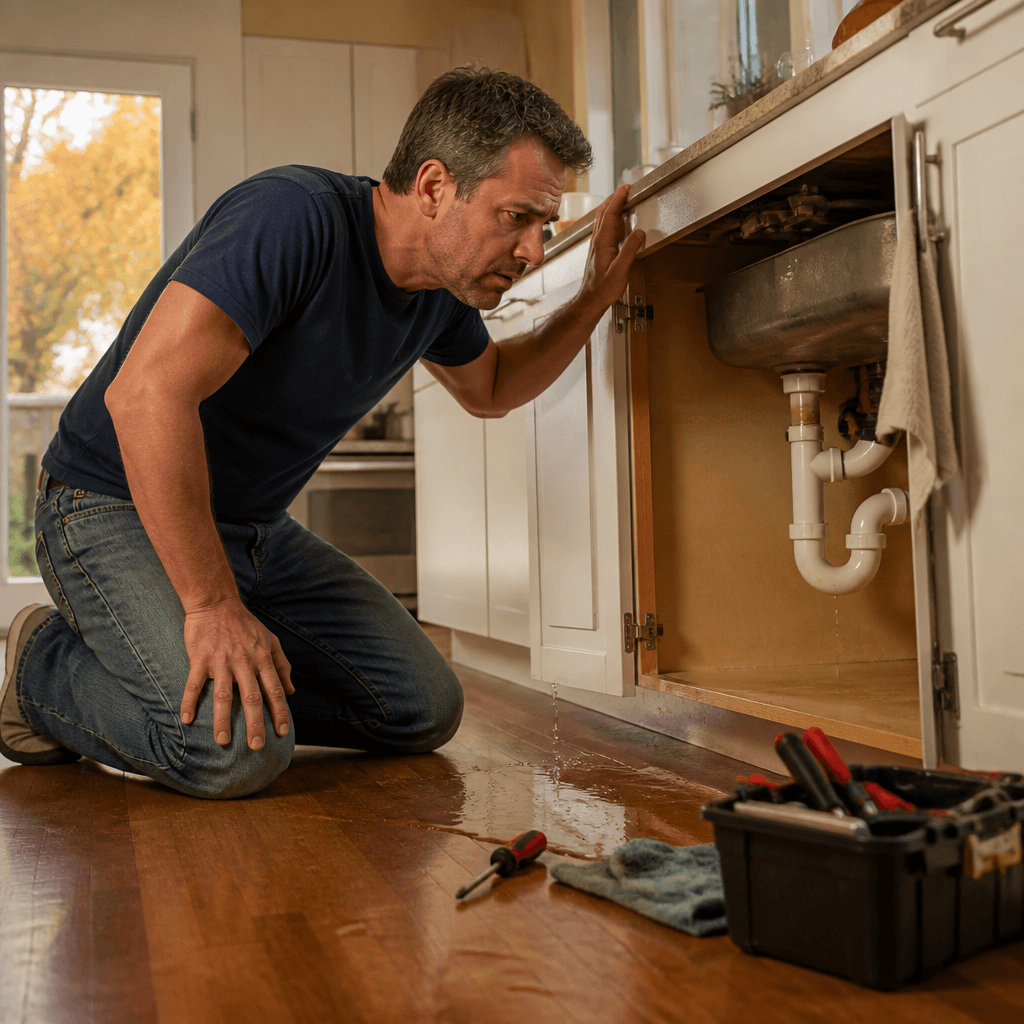
Even a small leak can lead to bigger damage if it is ignored. Moisture around the unit may also point to worn parts or a loose connection that needs repair.
💧 Tip 6: Pay attention to hard water signs
White scale, spotty fixtures, and reduced flow can all point to mineral-heavy water. Hard water can wear down a tankless system faster, so it is important to address it early.
⚙️ Tip 7: Test the unit before peak use season
Fall is a smart time to make sure the system is ready for heavier use. A quick check before colder weather helps reduce the risk of a breakdown when demand increases.
👨🔧 Tip 8: Have a licensed plumber inspect the system
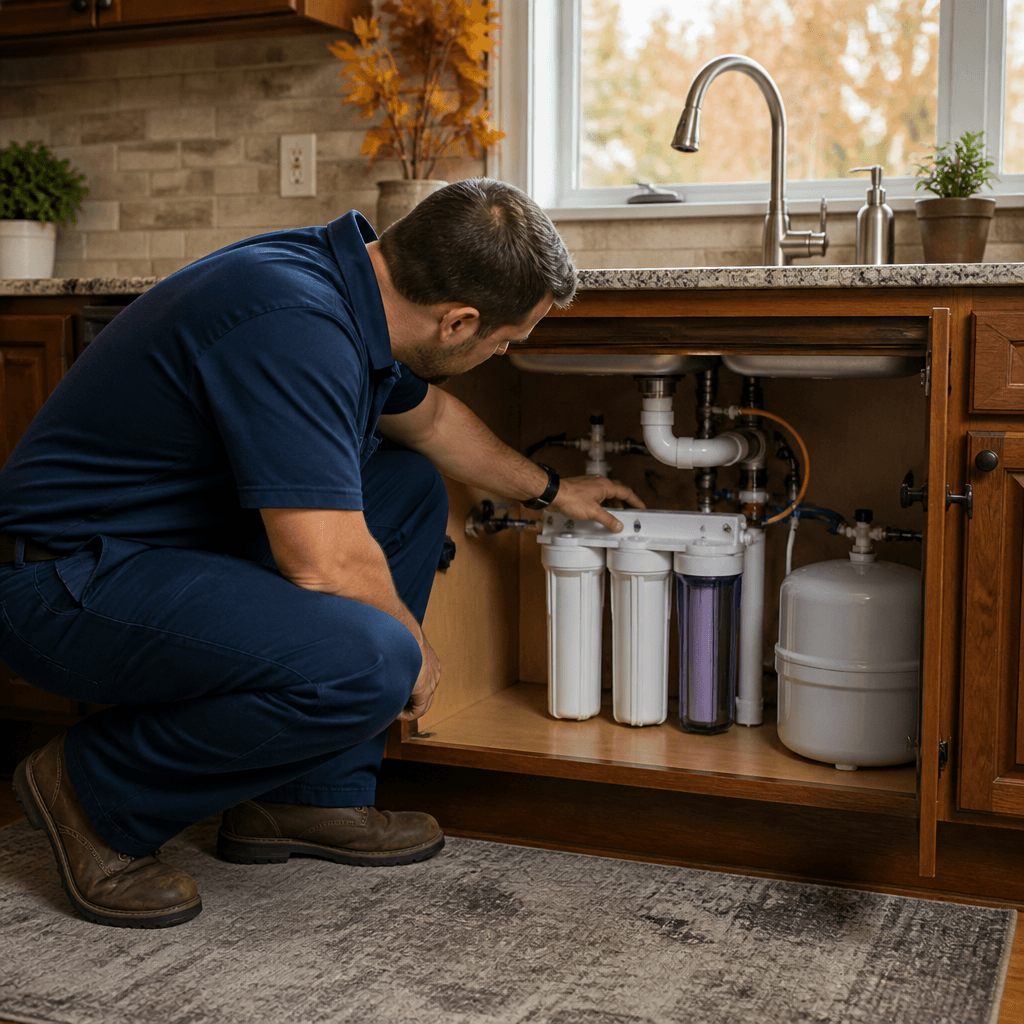
Some problems are easy to miss without the right training and tools. A licensed plumber can spot wear, buildup, and part issues before they turn into a costly repair.
Frequently Asked Questions
How often should a tankless water heater be maintained?
A tankless water heater should usually be maintained once a year. This helps remove buildup, keep the system efficient, and catch early signs of wear before they become bigger problems.
What happens if tankless water heater maintenance is skipped?
Skipping maintenance can lead to mineral buildup, lower water flow, and uneven hot water. Over time, the unit may use more energy and be more likely to break down.
Is tankless water heater maintenance explained in simple terms?
Yes, tankless water heater maintenance explained simply means cleaning, checking, and flushing the unit so it keeps working properly. It is basic care that helps the system stay efficient and reliable.
Why is fall a good time for tankless water heater maintenance?
Fall is a smart time because hot water demand often rises as weather cools down. Getting the system checked now helps prevent surprise issues during a busier season.
Can we do tankless water heater maintenance ourselves?
Yes, some basic tasks like checking the filter may be manageable for homeowners. For flushing, inspections, and deeper checks, it is best to use a trained plumber for safe and proper service.
Final Thoughts
Keeping a tankless unit in good shape is one of the best ways to protect comfort and avoid surprise repairs. With the right care, the system can stay steady, efficient, and ready for the season ahead. That is why paying attention now matters more than waiting for a problem to show up.
If you want help keeping your system in shape, we are here to help with honest service and reliable care. We take tankless maintenance seriously because small steps now can prevent bigger issues later. Stay connected with us on our Facebook page.