• Drain cleaning removes buildup like grease, hair, soap, and food scraps so water can flow freely again.
• Knowing what is drain cleaning and how it works helps you spot warning signs early and avoid bigger plumbing problems.
• A proper drain cleaning process can restore flow, reduce backups, and help keep Stanton homes running smoothly.
Why Drain Cleaning Matters
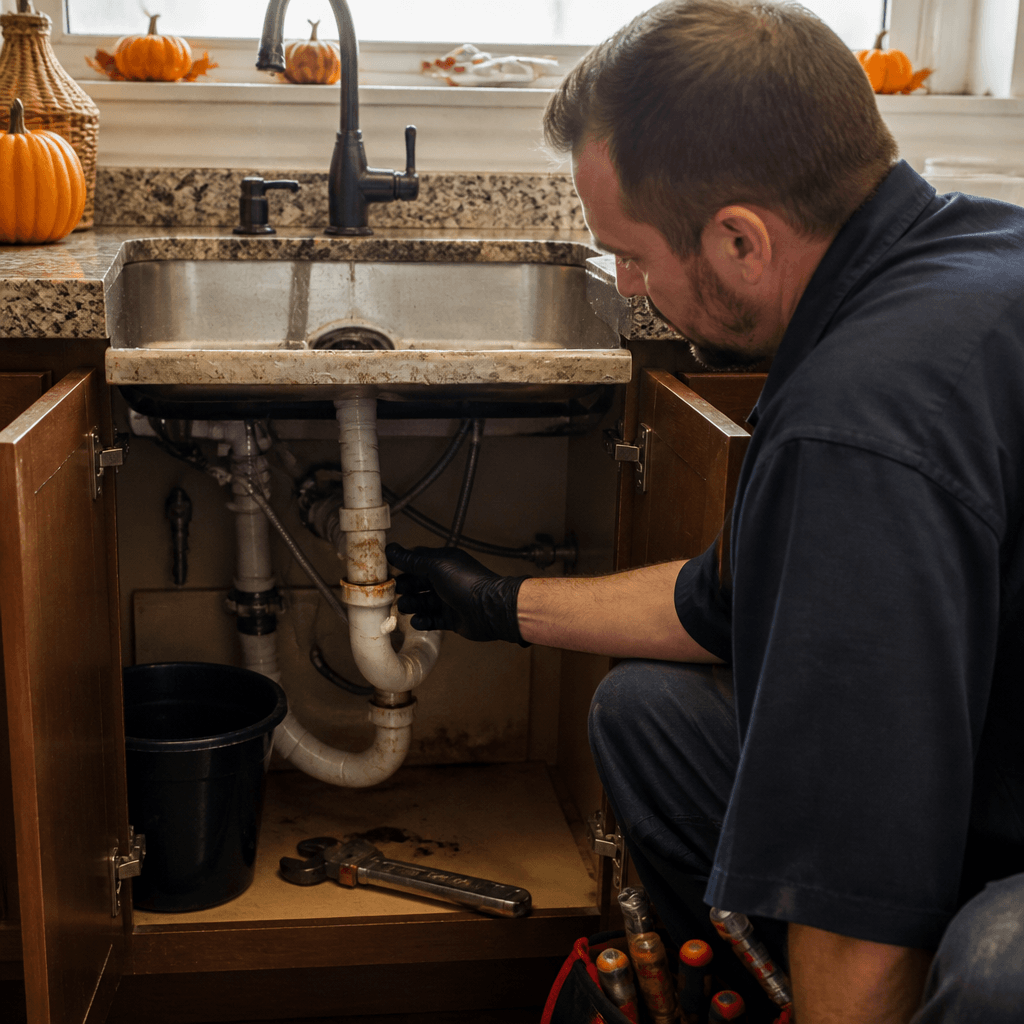
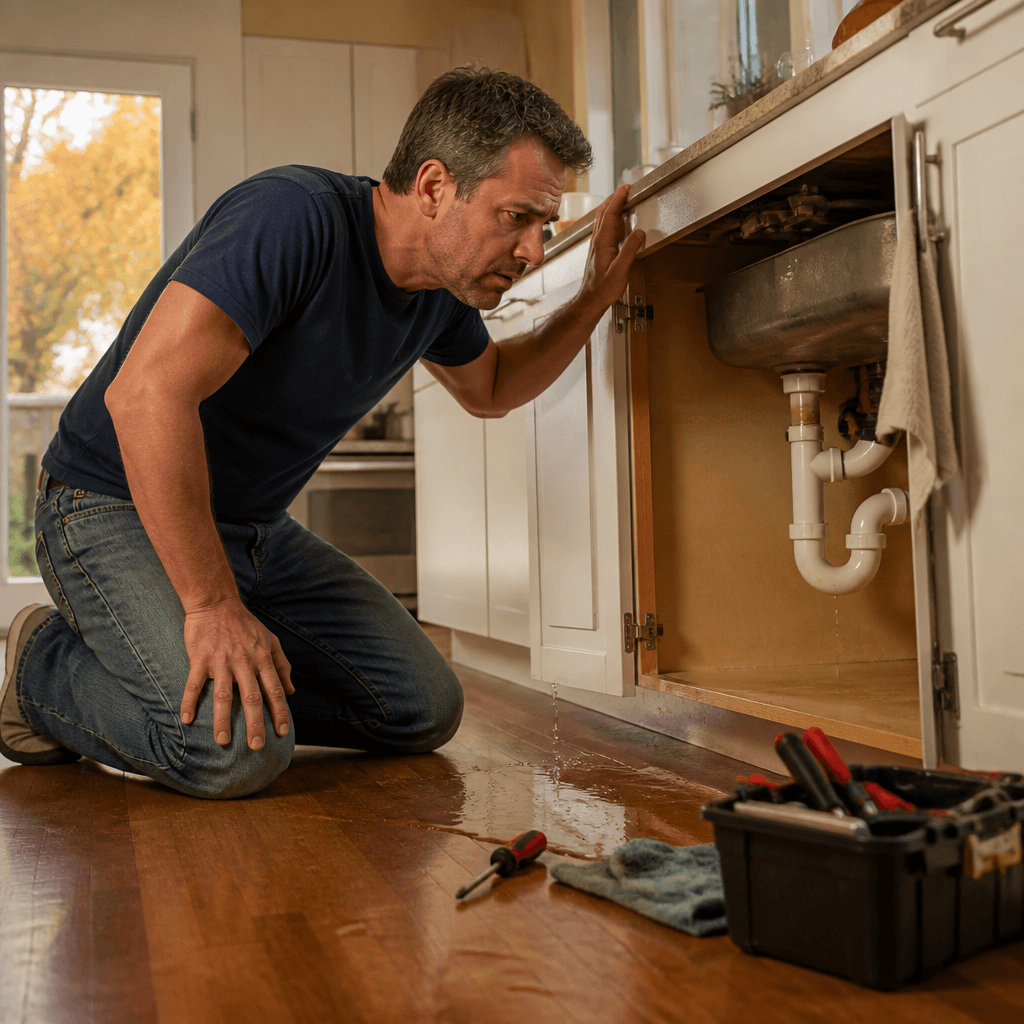
When water starts backing up, it usually means the drain is trying to warn you before things get worse. A slow sink, gurgling sound, or bad smell can turn into a bigger problem fast, especially when fall weather brings more indoor use in Stanton. If you have been putting it off, our drain cleaning services can help stop a small clog from becoming a costly mess.
Knowing what is drain cleaning and how it works helps you act before a drain fully stops working. The process clears buildup from grease, soap, food, hair, and other debris that collect inside the line over time. When that buildup stays in place, water has a harder time moving through the pipe, and pressure can build up behind the clog.
In many homes, drains slow down little by little before they stop completely. That slow change can make the problem easy to ignore until water starts pooling in the sink, tub, or shower. Taking action early saves time, reduces stress, and helps protect your plumbing from extra wear.
How Drain Cleaning Works
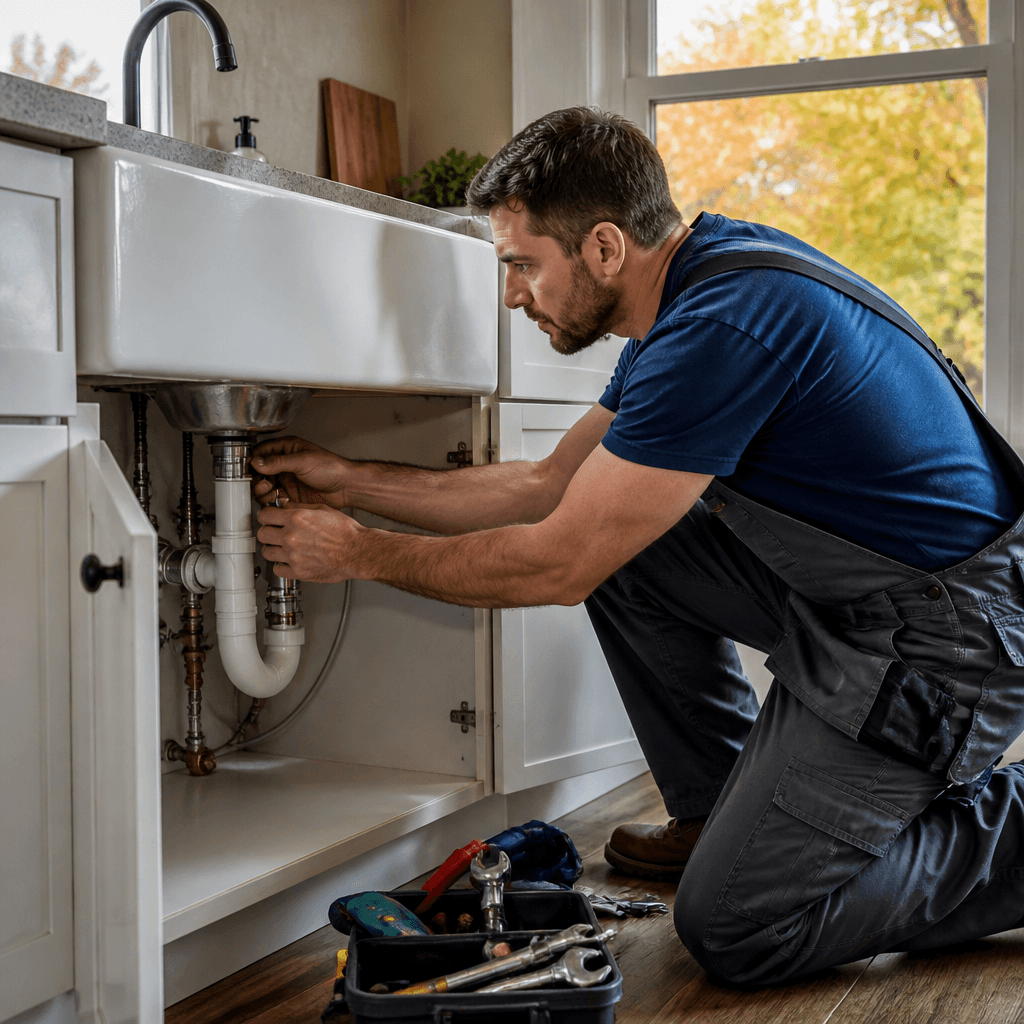
Drain cleaning starts with finding where the blockage is and what may be causing it. Once we identify the issue, we use the right method to break up or remove the buildup so water can move freely again. In some cases, a simple clog near the opening is the problem, while deeper blockages may need a stronger cleaning method.
A proper cleaning does more than clear the symptom for a moment. It helps remove the material lining the pipe walls so the drain can work the way it should. That is why homeowners in Stanton often notice better flow and fewer recurring backups after the job is done.
The best results come from matching the cleaning method to the drain’s condition. Some drains need careful clearing, while others need a deeper approach to deal with hardened buildup. When done correctly, the process can restore normal drainage and help lower the chance of another backup soon after.
Step-by-Step Drain Cleaning Guide
🧭 Step 1: Check for the warning signs
Look for slow draining, bubbling sounds, standing water, or odors coming from the drain. These signs usually mean buildup is already forming inside the pipe. Catching the problem early makes the cleaning process easier and less stressful.
🧼 Step 2: Clear the drain opening
Remove any visible debris near the drain cover or stopper before going deeper. Hair, soap film, and food scraps often collect right at the top and can make the clog worse. This small first move helps you see whether the issue is right at the surface or farther inside.
💧 Step 3: Test the water flow
Run water for a short time and watch how quickly it drains. If the water backs up or drains unevenly, the clog is likely deeper in the line. This test helps confirm the problem before you move on to the next step.
🛠️ Step 4: Use the right cleaning method
Choose a cleaning method that fits the type of drain and the kind of blockage present. A sink clog may call for one approach, while a shower or main line may need something different. Using the right method matters because the wrong one can leave part of the blockage behind.
🔄 Step 5: Break up the buildup
Work steadily to loosen the material blocking the pipe. Grease, soap, and other debris often stick to the inside walls, so the goal is to remove as much of that buildup as possible. A full cleaning helps water move through the drain more smoothly.
🚿 Step 6: Flush the drain
After the clog is cleared, run water again to check the flow. This helps wash away loose debris and shows whether the line is draining normally. If the water still moves slowly, more buildup may remain deeper in the pipe.
🔍 Step 7: Recheck for lingering issues
Listen for odd noises and watch for any signs of backup after the flush. A drain can seem clear at first but still have material stuck farther down the line. Rechecking helps confirm that the problem has truly been removed.
🧽 Step 8: Keep the drain clear
Use the drain properly and avoid letting debris build up again so soon. Small habits matter because repeated buildup can bring the same problem back. Staying alert to early warning signs helps keep the plumbing working as it should.
Common DIY Mistakes to Avoid
Many drain problems look simple at first, so it is easy to rush in and try to fix them right away. The trouble is that a quick attempt can miss the real cause of the blockage or make the drain harder to clear. Knowing the most common mistakes can help you avoid extra damage and wasted time.
These errors usually happen when people skip steps or use the wrong method for the type of clog they have. Some are caused by impatience, while others come from not checking the drain carefully enough. Here are the mistakes we see most often when people try to handle the job themselves.
- ⚠️ Mistake 1: Ignoring the early warning signs
This happens when slow draining or strange sounds get brushed off until the drain stops working completely. People often do this because the issue still seems small at first. To prevent it, pay attention as soon as the flow changes and deal with the problem early. - ❌ Mistake 2: Cleaning only the drain opening
This means clearing the visible area but leaving the deeper clog in place. It happens because the top of the drain is the easiest spot to reach, so it feels like enough work has been done. To prevent it, confirm whether the blockage is shallow or farther down before stopping. - 🚫 Mistake 3: Using the wrong method for the clog
Different drains and blockages need different approaches, and one method does not fit every situation. This mistake usually happens when someone assumes all clogs are the same. To prevent it, match the cleaning method to the drain type and the kind of buildup involved. - ⚠️ Mistake 4: Forcing the blockage
Pushing too hard can pack the clog tighter or strain the pipe. People often do this out of frustration when the drain does not clear right away. To prevent it, work carefully and stop if the drain does not respond as expected. - ❌ Mistake 5: Skipping the final flow check
This means assuming the drain is fixed without running water and watching how it behaves. It happens because the cleanup step feels like the end of the job. To prevent it, always test the drain after cleaning to make sure the water moves freely again.
Frequently Asked Questions
What is drain cleaning and how does it help?
Yes, what is drain cleaning and how it works comes down to removing buildup that blocks water flow inside the pipe. It helps restore normal drainage and reduces the chance of repeated backups. A proper cleaning can also help the drain function more reliably over time.
How do I know if my drain needs cleaning?
Yes, slow draining, bubbling, standing water, and unpleasant odors are common signs that a drain needs attention. These symptoms usually mean debris is building up inside the line. If the problem keeps coming back, the clog may be deeper than it looks.
Can a drain clear itself over time?
No, most clogs do not clear themselves on their own. In many cases, buildup gets worse as more debris collects in the pipe. Waiting usually gives the blockage more time to grow and cause more trouble.
What causes most drain clogs?
Yes, the most common causes are grease, soap, hair, food scraps, and other small debris that collect inside the line. These materials stick to the pipe walls and slowly narrow the space for water to pass through. Over time, that buildup can lead to a full blockage.
Why should homeowners in Stanton pay attention to drain cleaning in fall?
Yes, fall is a smart time to stay on top of drain issues because indoor plumbing gets used more often as routines shift. In Stanton, that extra use can make an already slow drain show problems sooner. Addressing it early helps keep a small clog from turning into a bigger repair.
Wrapping Up Drain Cleaning
Drain problems rarely get better by waiting, and that is why early action matters so much. When you understand the signs and know how cleaning works, you can respond before a small clog turns into a bigger issue. That simple approach helps protect your home and keeps daily routines moving.
If your drains are already slowing down, now is the time to take the warning seriously. A clean, open line helps water flow the way it should and lowers the chance of surprise backups. For more updates and helpful tips, follow us on social media.