• Summer sewer line problems often show up through slow drains, gurgling toilets, and foul odors, and these signs should be checked early to avoid bigger damage.
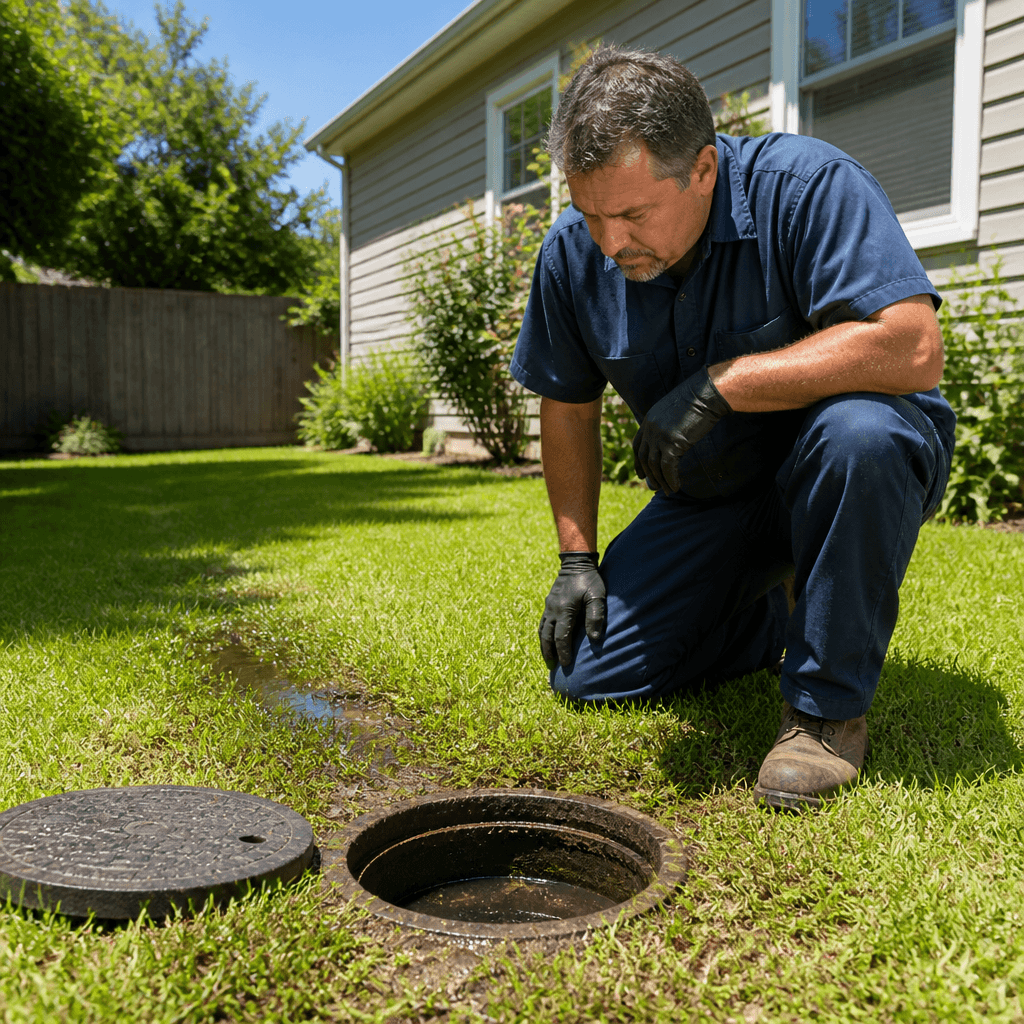
• Yard changes like wet spots or soft ground can point to a leaking sewer line, especially when several plumbing fixtures start acting up at the same time.
• A step-by-step inspection can help homeowners spot warning signs, reduce water use, and know when it is time to call a professional plumber.
Why Summer Sewer Problems Need Fast Attention
Summer heat can make small sewer issues turn into bigger problems faster than many homeowners expect. If you notice slow drains, bad smells, or gurgling pipes, those signs should never be ignored. A sewer line problem can spread through the home and turn a normal day into a messy one. For help with related drain issues, we often point homeowners to our drain cleaning services when the early signs start showing up.
Warm weather often means more water use, more guests, and more strain on the plumbing system. That extra pressure can expose weak spots in the sewer line and make trouble show up all at once. When the warning signs are missed, the next step is often a backup that is far harder to deal with. Acting early gives us a better chance to limit damage and keep the system working the way it should.
The good news is that many sewer line problems give off clear clues before a major failure happens. We look for changes in how drains move, what toilets sound like, and whether odors keep coming back. When those signs appear during the warmer months, it is smart to treat them as a real warning. A quick response can save time, stress, and costly cleanup later.
What Sewer Warning Signs Mean in Summer
Summer conditions can make sewer line issues easier to notice because the heat can bring out strong odors and increase outdoor activity around the home. If several fixtures start acting up at the same time, that usually points to a larger issue below the surface. Homeowners may also notice wet spots in the yard, which can happen when wastewater is escaping from the line. These are not problems that usually fix themselves.
When we inspect a sewer line, we often find that roots, buildup, or a damaged pipe section is causing the trouble. In older systems, the line may already be weak, so a small shift in pressure can create a bigger blockage. That is why summer sewer line repair signs in summer should be taken seriously as soon as they appear. If the symptoms keep coming back, the problem is likely deeper than a simple clog.
Step-by-Step Guide
🔍 Step 1: Watch for Drain Speed Changes
Start by checking how fast sinks, tubs, and showers drain. A slow drain in more than one fixture can mean the issue is in the sewer line instead of one isolated pipe. This matters because the problem can grow if wastewater keeps backing up through the system.
👂 Step 2: Listen for Gurgling Sounds
Flush toilets and run nearby faucets while listening for odd sounds. Gurgling often means trapped air is moving through a partial blockage in the sewer line. That sound is a useful warning because it often shows up before a full backup happens.
👃 Step 3: Notice Sewer Odors Indoors or Outside
Walk through the home and yard to see if you smell anything foul or rotten. Sewer gas odors can point to a damaged line, a blockage, or a venting issue that needs attention. The smell may be stronger in summer because heat can make odors more noticeable.
🌱 Step 4: Check the Yard for Wet or Sinking Areas
Look for unusually damp grass, patches that grow faster than the rest, or soft ground. A leaking sewer line can release wastewater into the soil and change how the ground looks and feels. This step is important because outdoor signs often show up before serious indoor damage begins.
🚽 Step 5: Test Multiple Fixtures
Run water in more than one sink and flush more than one toilet to see if problems happen across the home. When several fixtures act up at once, that usually means the issue is not local to one drain. That pattern helps narrow the problem to the main sewer line.
🛠️ Step 6: Reduce Heavy Water Use
If warning signs are present, cut back on long showers, laundry, and extra water use. Less water moving through the line can help prevent a backup while the issue is being addressed. This does not fix the problem, but it can help limit stress on the system.
📞 Step 7: Schedule a Professional Inspection
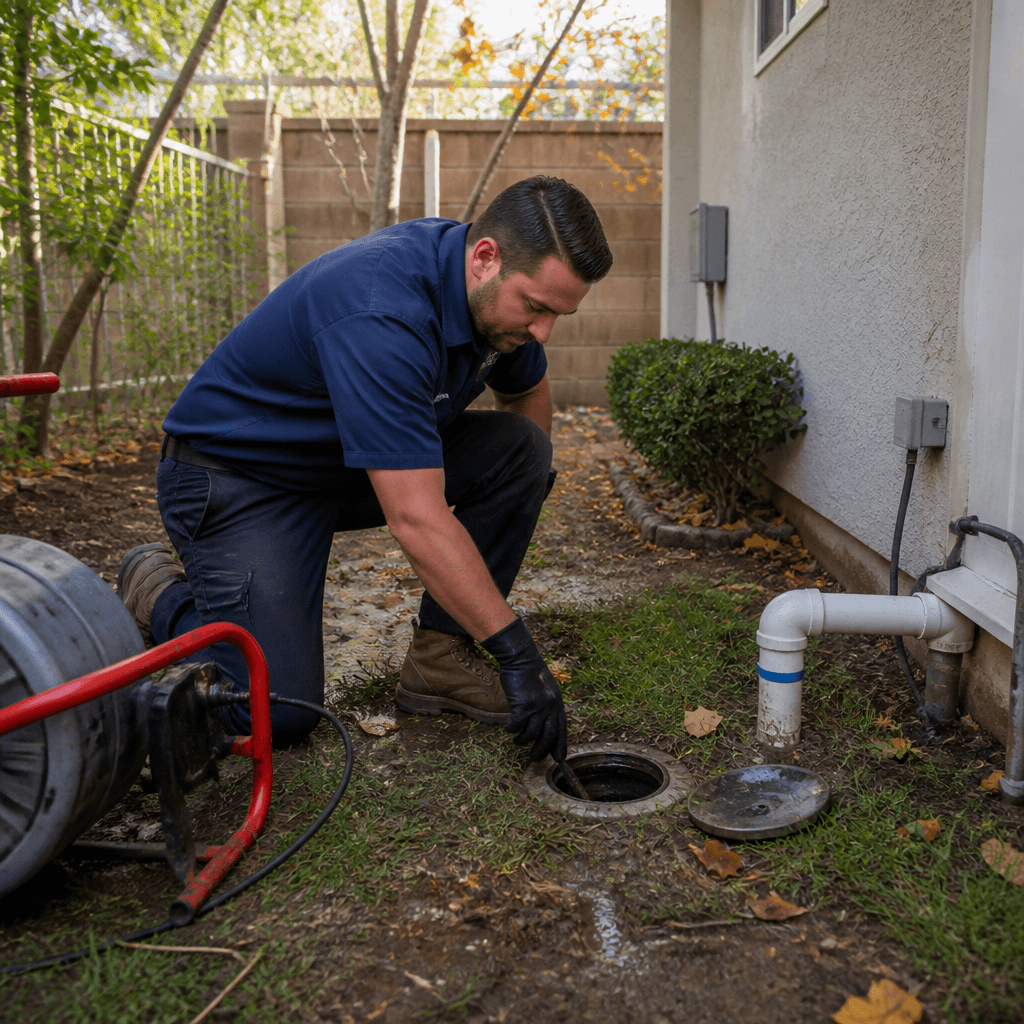
Have a licensed plumber check the line if the warning signs keep coming back. Professionals can confirm whether the issue is a clog, break, root intrusion, or another sewer line problem. Getting the right diagnosis early is the safest way to avoid larger damage.
Common DIY Mistakes to Avoid
Many homeowners try to handle sewer warning signs on their own, but some mistakes can make the problem worse. Small plumbing issues can hide larger damage, so it helps to know where DIY efforts often go wrong. The mistakes below are based on the same warning signs and steps we covered above.
- ⚠️ Mistake 1: Ignoring Small Drain Delays
People often assume a slow sink or tub is only a minor clog. That happens because the problem may seem small at first, but repeated slow drainage can point to a sewer line issue. The best prevention is to treat changes in drain speed as an early warning and watch for patterns across the home. - ⚠️ Mistake 2: Dismissing Gurgling Noises
Some homeowners hear gurgling toilets and think the sound is harmless. It often happens because air is trapped behind a blockage, which means pressure is not moving through the line the right way. The safest move is to pay attention when the noise repeats and check whether other fixtures are affected too. - ⚠️ Mistake 3: Masking Sewer Odors Instead of Finding the Cause
It is common to clean and air out rooms without checking why the smell keeps coming back. That usually happens because the odor is easier to notice than the source, especially during hot weather. Prevention starts with tracing the smell to its source instead of covering it up. - ⚠️ Mistake 4: Overlooking Yard Changes
A wet patch or soft spot in the lawn can be easy to blame on sprinklers or rain. People make this mistake because the yard often seems unrelated to the plumbing system. To prevent it, compare the area with nearby ground and watch for changes that line up with sewer warning signs inside the home. - ⚠️ Mistake 5: Using Too Much Water After Warning Signs Appear
Some homeowners keep normal routines even after they notice clear trouble. This happens because the issue may not feel urgent until a backup occurs, but extra water can push a weak line past its limit. The better choice is to reduce water use right away and avoid adding more pressure to the system.
Frequently Asked Questions
What are the first signs of sewer line trouble in summer?
Yes, the first signs often include slow drains, gurgling toilets, and foul odors. These symptoms can show up together when a sewer line is starting to clog or fail. In summer, the heat can make these warning signs easier to notice.
Can tree roots damage a sewer line?
Yes, tree roots can break into sewer lines and cause blockages or cracks. Roots grow toward moisture, so they often find weak spots in older pipes. That is one reason sewer line repair signs in summer should be checked quickly.
Why do sewer smells get worse when it is hot?
Yes, sewer smells can seem stronger in hot weather because heat can make odors rise and spread faster. A sewer odor indoors or outside may point to a damaged line, a blockage, or a venting issue. If the smell keeps coming back, it should be taken seriously.
Should I keep using water if I think my sewer line is blocked?
No, it is better to reduce water use until the problem is checked. Extra water can push a weak or blocked line into a full backup. Lowering water use can help limit damage while you wait for a plumber.
When should I call a plumber about sewer line repair signs in summer?
Yes, you should call a plumber as soon as the warning signs keep repeating or show up in more than one part of the home. Multiple slow drains, recurring odors, or yard wet spots often mean the issue is deeper than a simple clog. Quick action can help prevent a bigger repair later.
Final Thoughts on Summer Sewer Warning Signs
Sewer line issues can move fast in the summer, so early action matters. Watching for slow drains, odors, gurgling sounds, and yard changes can help us catch problems before they turn into a major mess. The sooner the signs are checked, the easier it is to protect the home and plumbing system.
If you are noticing any of these warning signs, do not wait for a full backup to happen. A careful inspection can reveal what is going on and help guide the next step with confidence. For more updates and helpful home care tips, follow us on social media.