• Check your water treatment system early so small issues do not turn into winter problems.
• Replace filters, test water quality, and inspect for leaks to keep the system working right.
• Protect exposed parts and call a pro if you notice low pressure, buildup, or changes in water taste.
Why Fall Is the Right Time to Prepare
As cooler weather moves in, it is smart to check your water treatment systems before winter. Small issues can turn into bigger problems once temperatures drop and water use shifts indoors. We often see that skipped maintenance leads to poor water flow, strange taste, and added stress on the plumbing system. Taking action now helps protect your home before the cold settles in.
When water quality changes, your daily routine can feel the impact fast. Stains, cloudy water, and scale buildup may start showing up in sinks, tubs, and appliances. If you already rely on our water treatment services, this is the time to make sure the system is ready for the season ahead. A quick check now can help you avoid a rushed repair later.
Winter puts extra pressure on every part of the plumbing setup, including treatment equipment. Filters may clog faster, and older parts can wear out when the system works harder. We recommend paying attention before the first real cold snap so you are not caught off guard. A little planning now can save time, money, and frustration later.
How to Get Your System Ready
Before the weather turns colder, start with a simple inspection of the unit and its filters. Look for signs of buildup, leaks, low pressure, or changes in water taste and smell. These clues often point to a system that needs cleaning, replacement parts, or a closer look from a trained plumber.
Next, check how the system fits into the rest of your plumbing and heating setup. Cold-weather changes can affect water flow, pressure, and the way treatment parts perform under regular use. If anything looks worn, uneven, or slow to respond, address it early so the problem does not grow during the winter months.
Step-by-Step Winter Prep Guide
🧰 Step 1: Inspect the System
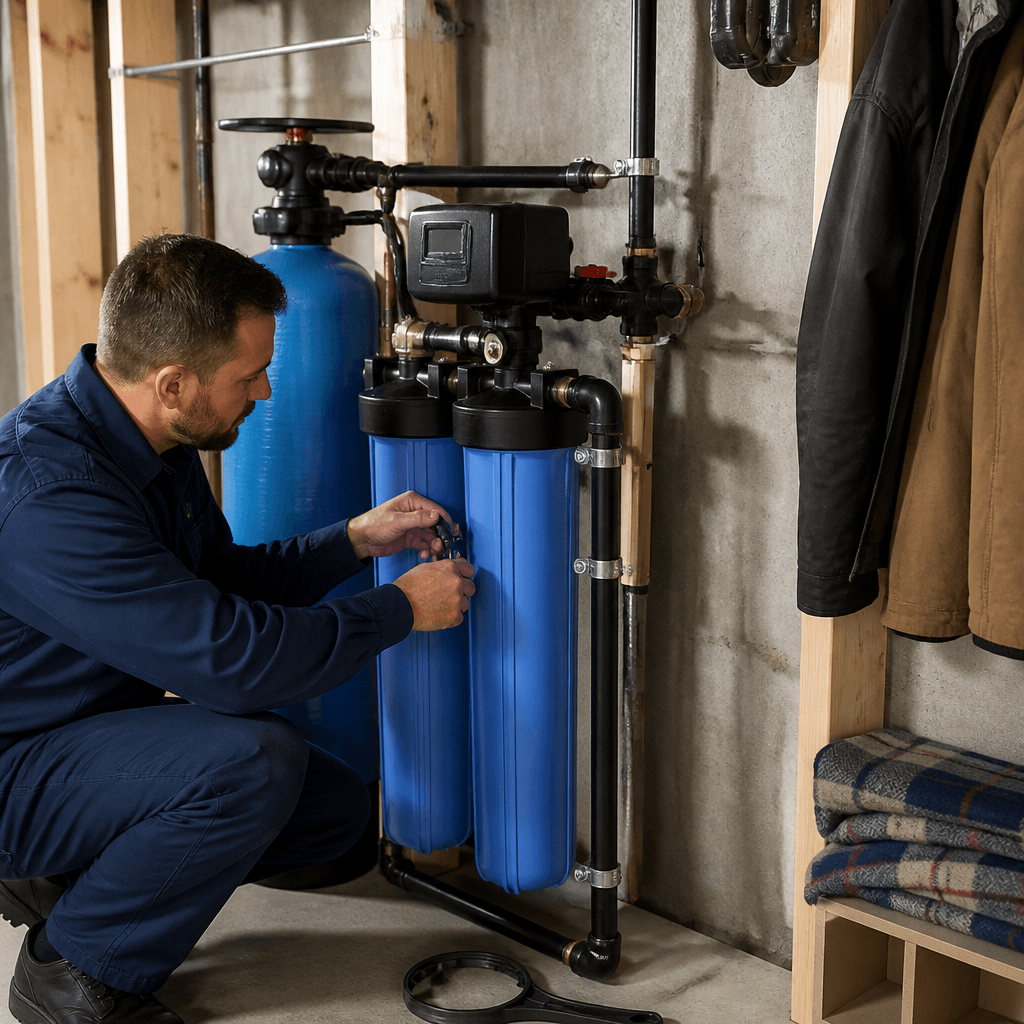
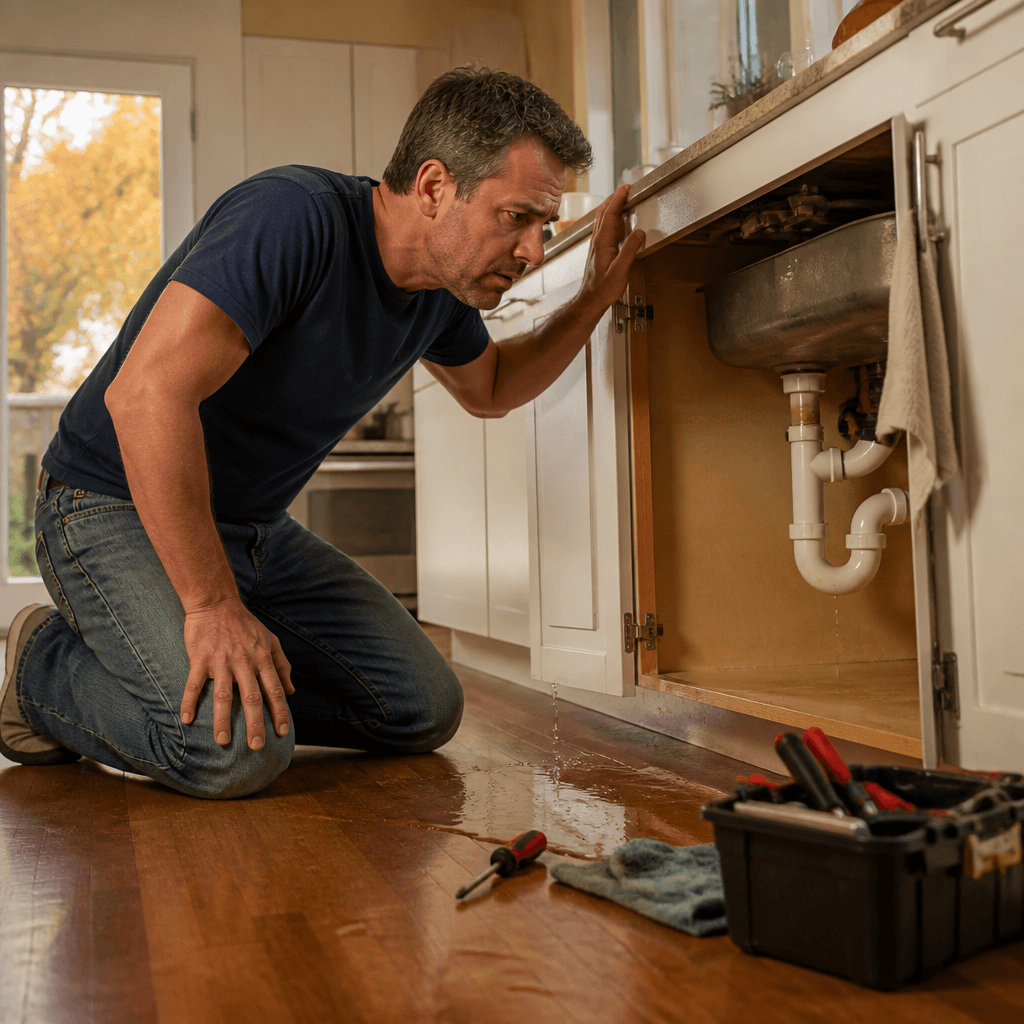
Start by looking over the main unit, connections, and nearby pipes for visible wear. Check for leaks, loose fittings, or signs that the system has not been running as smoothly as it should. Catching these issues early makes the rest of the process much easier.
🧼 Step 2: Replace or Clean Filters
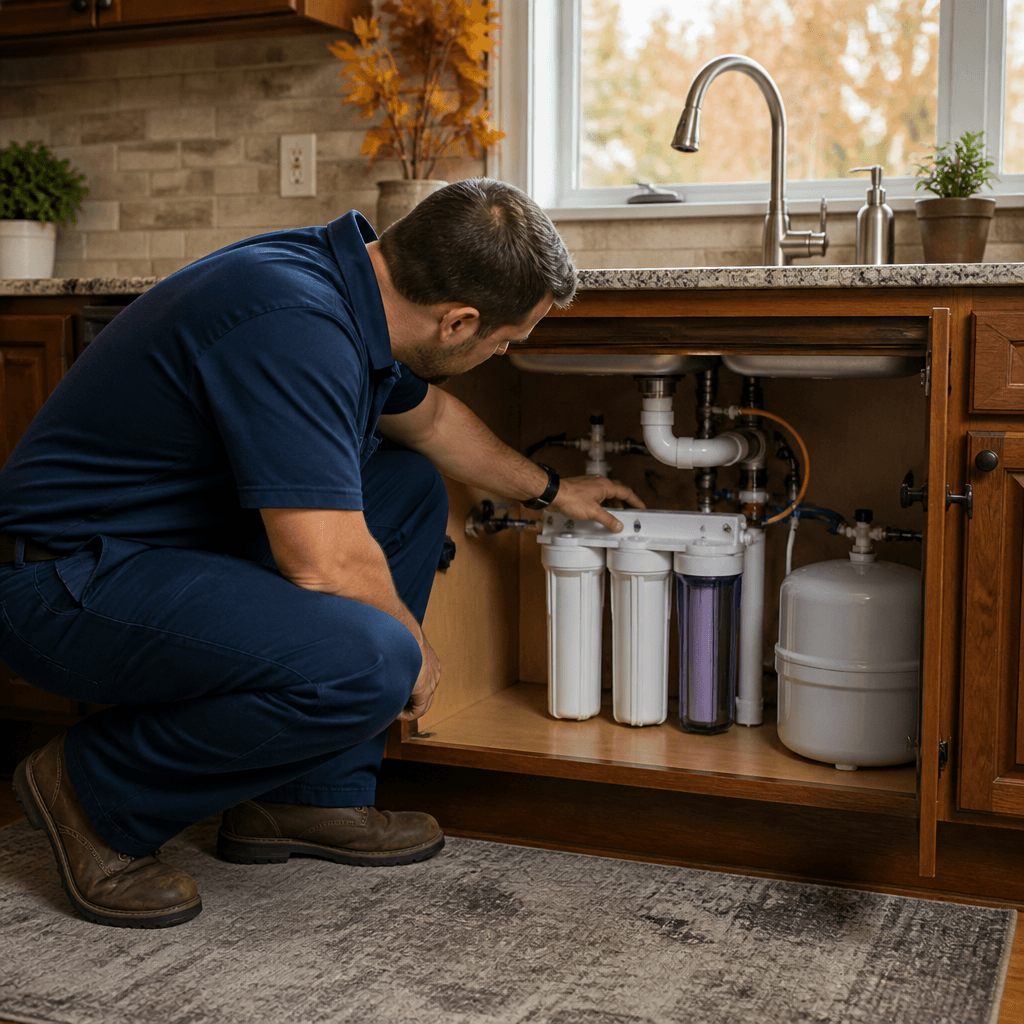
Dirty filters can slow water flow and reduce how well the system works. Remove and clean any reusable parts, then replace filters that are past their service life. This helps the system move water properly when winter demand picks up.
💧 Step 3: Test Water Quality
Run a simple water check to see if the taste, smell, or clarity has changed. If the water looks off, the system may need service or a reset. Testing now gives you a clear picture before cold weather creates more pressure on the plumbing.
🔧 Step 4: Check Pressure and Flow
Pay attention to how fast water moves from faucets and appliances. Weak flow can point to buildup, clogged parts, or a system that needs adjustment. Stable pressure helps the treatment system work the way it should through the colder months.
📏 Step 5: Look for Scale or Mineral Buildup
Hard water leaves behind mineral deposits that can collect inside fixtures and equipment. Check sinks, showerheads, and visible pipe areas for white or crusty buildup. Removing buildup early helps keep water moving and protects connected appliances.
🧊 Step 6: Protect Exposed Components
Any part of the system in a cooler area should be checked for exposure to cold air. Insulation can help protect vulnerable sections from temperature drops. This is especially important when the system is near a garage, basement wall, or utility area.
📋 Step 7: Review the Maintenance Schedule
Look at when the system was last serviced and note what was done. Regular upkeep helps prevent missed issues and keeps the equipment on track. A clear record makes it easier to know what needs attention before winter arrives.
👨🔧 Step 8: Call for a Professional Check
If you notice problems you cannot fix, bring in a trained technician. A professional can spot hidden issues and make sure the system is ready for cold weather. This is the safest way to avoid a surprise breakdown when you need clean water most.
Common DIY Mistakes to Avoid
Many homeowners want to handle this kind of job on their own, but small errors can lead to bigger water problems. Most of these mistakes happen when people rush, skip checks, or assume the system is fine because the water still runs. Knowing what to avoid can help you protect both the treatment unit and the rest of the plumbing.
- ⚠️ Mistake 1: Skipping the Full Inspection
Some people only glance at the system and miss early warning signs like leaks or buildup. This usually happens when they are short on time or think the unit is still working well enough. To prevent this, look at the unit, connections, and nearby plumbing carefully before moving on. - ❌ Mistake 2: Waiting Until the First Cold Snap
Putting off service until winter starts can leave you dealing with poor water quality at the worst time. This mistake often comes from assuming there is still plenty of time before the weather changes. To avoid it, handle maintenance while conditions are still mild and easy to work in. - 🚫 Mistake 3: Forgetting to Replace Worn Filters
Old filters can stay in place far too long if the homeowner does not check them on schedule. That often happens when the system seems to be running, even though its performance has dropped. Prevent this by following the service timeline and replacing filters when they are due. - ⚠️ Mistake 4: Ignoring Pressure Changes
Low flow or uneven pressure is often treated as a small annoyance instead of a warning sign. People usually overlook it because they think it is caused by normal daily use. To prevent this, test multiple fixtures and note whether the issue is consistent throughout the home. - ❌ Mistake 5: Overlooking Cold-Exposed Parts
Any part of the system in a colder space can be affected by temperature drops, but many homeowners forget to check those areas. This usually happens when the main unit is working and the hidden sections are out of sight. To avoid problems, inspect utility spaces and protect exposed components before winter settles in.
Frequently Asked Questions
Why should we check water treatment systems before winter?
Yes, we should check water treatment systems before winter because cold weather can make hidden problems worse. A system that is already struggling may lose performance when water use changes and temperatures drop. Early maintenance helps keep water quality steady and reduces the risk of a mid-season issue.
What are the signs that a water treatment system needs service?
Yes, there are clear signs that service may be needed, including low water pressure, odd taste, cloudy water, and visible buildup. These clues usually mean the system is not filtering or conditioning water the way it should. If you notice more than one sign, it is smart to have the system checked soon.
How often should filters be changed before winter?
Yes, filters should be changed based on the system’s service schedule and how much water the home uses. Some systems need attention more often than others, especially if water quality is harder or the household uses a lot of water. Checking them before winter is a smart way to avoid reduced flow and poor performance.
Can cold weather affect water treatment systems?
Yes, cold weather can affect water treatment systems, especially if parts are in unheated or drafty areas. Lower temperatures can put stress on equipment and make existing issues more noticeable. Protecting exposed parts and checking the system early helps keep it working as expected.
Should we call a plumber for water treatment maintenance?
Yes, calling a plumber is a good idea if the system shows leaks, pressure problems, or water quality changes you cannot fix. A trained professional can spot issues that are easy to miss and make sure the system is ready for winter use. This is often the safest choice when the problem is more than a simple filter change.
Ready for Colder Days Ahead
Getting your water treatment systems before winter ready now can help you avoid stress when the cold sets in. A few simple checks, some basic upkeep, and the right timing can make a real difference in how your water system performs. We believe the best results come from early action and steady care.
When you stay ahead of seasonal issues, your home is better prepared for the months ahead. If you want to keep your water system in good shape and get ahead of winter problems, follow us on social media.