• Tankless water heaters heat water only when you need it, which can help save space and reduce wasted standby heating. If you have been asking what is a tankless water heater, this guide explains how it works and why fall is a smart time to look at your home’s hot water setup.
• A tankless system can be a good fit for Garden Grove homes that want steady hot water and a more efficient design. The article covers the basics, key parts of the process, and the most common DIY mistakes to avoid before making a decision.
• This blog also gives a simple step-by-step guide, answers common questions, and helps you understand what to watch for before choosing a system. It is written to help you make a clear, confident choice about tankless water heaters without wasting time.
Why Tankless Water Heaters Matter in Fall
When the cooler fall weather arrives in Garden Grove, hot water becomes something we notice much faster. A slow shower or an older tank system can turn into a daily frustration right when routines get busier. If you have been asking what is a tankless water heater, now is a smart time to pay attention.
A tankless unit heats water only when you need it, which can help cut down on wasted standby heating. That means less waiting, better control, and a system that works more efficiently for many homes. We often help homeowners compare options through our tankless water heater services when they want a better fit for daily use.
For families in Garden Grove, the question is not just what the system is, but whether it can keep up with real life. Fall is a good season to think ahead before holiday gatherings and colder nights put more demand on the water heater. Knowing how this system works now can help you avoid surprise problems later.
How Tankless Water Heaters Work
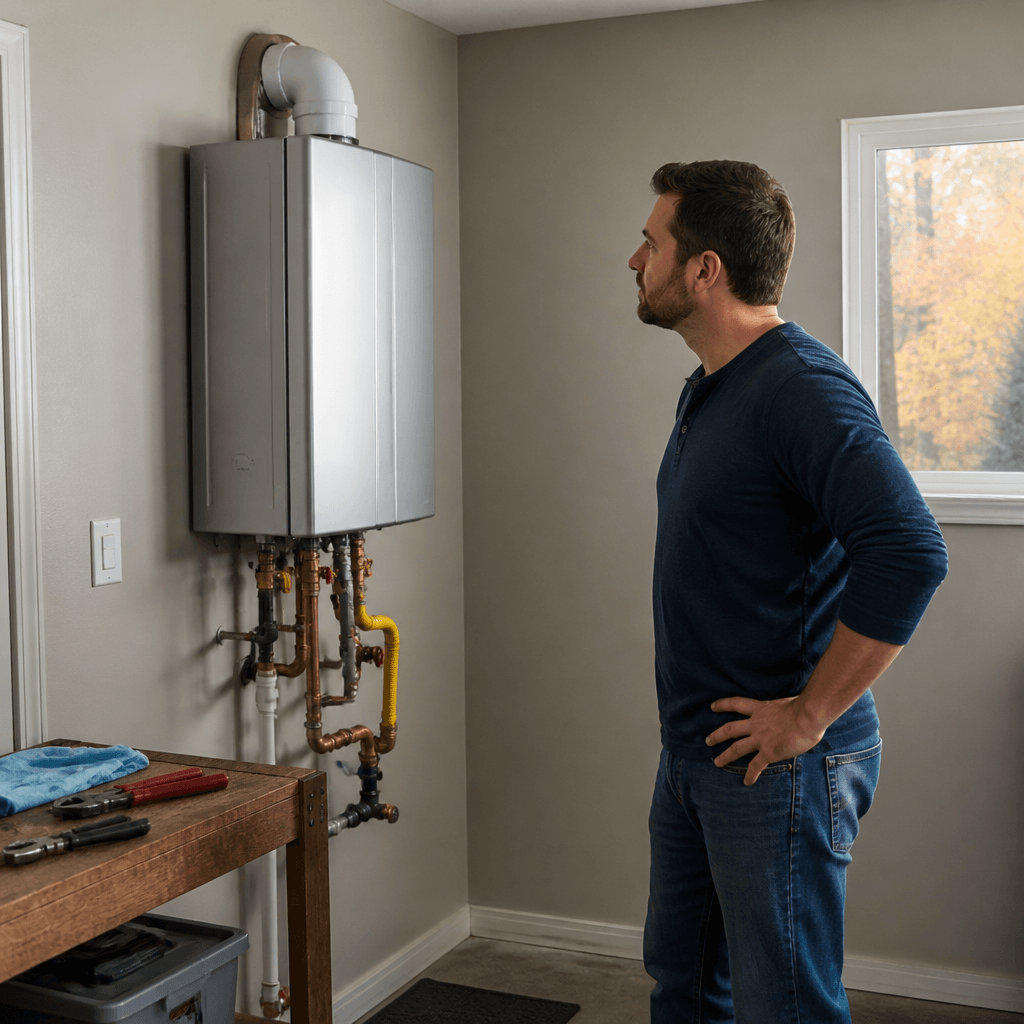
A tankless water heater warms water as it moves through the unit, so there is no large tank storing hot water all day. When a tap opens, cold water flows in, the system heats it quickly, and hot water travels to the fixture. That simple process is why many people like the idea behind what is a tankless water heater.
These systems are usually chosen for their space-saving design and steady hot water supply. They can be a strong match for homes that want to use less energy on standby heating and more on actual demand. The right system depends on household size, water use, and how often hot water is needed at the same time.
Step-by-Step Guide to Tankless Water Heaters
🔎 Step 1: Check Your Hot Water Needs
Start by thinking about how many people use hot water in the home and when they use it most. This helps you understand whether a tankless system can keep up with your daily routine. It also shows whether your home may need a larger unit or a model with a higher flow rate.
📏 Step 2: Review Your Available Space
Look at where your current water heater sits and how much room you have around it. Tankless units are smaller than tank models, but they still need proper clearance and a safe place to operate. A clear space makes installation smoother and helps the system work properly.
💡 Step 3: Compare Fuel and Power Options
Identify whether your home uses gas or electricity for water heating. Different tankless models run on different fuel sources, and the best choice depends on your home setup and utility access. This step matters because the wrong fit can limit performance or raise operating costs.
🛠️ Step 4: Check the Plumbing Connection
Inspect the water lines that feed your current heater and make sure they are in good shape. A tankless system depends on steady water flow, so old or damaged lines can cause problems. This is also the time to notice if upgrades may be needed before installation begins.
🌡️ Step 5: Confirm Proper Temperature Control
Set the water temperature to a safe and comfortable level for the home. Most households choose a setting that gives enough heat for showers, cleaning, and laundry without making the water too hot. Good temperature control helps protect both comfort and safety.
🧰 Step 6: Make Sure Venting Is Correct
If the system uses gas, proper venting is required so exhaust can move out safely. Tankless units often need specific venting setups based on the model and the home’s layout. This step is important because poor venting can create serious performance and safety issues.
🚿 Step 7: Test Hot Water at Multiple Fixtures
Run hot water at more than one tap to see how the system responds. This shows whether the unit can handle real household demand without big drops in temperature. It also helps you spot issues like uneven heating or slow delivery before they become bigger problems.
✅ Step 8: Schedule Routine Maintenance
Plan regular upkeep so the system keeps running well over time. Tankless water heaters can build up mineral scale, especially in areas with hard water, and that can affect performance. Regular service helps protect efficiency and extends the life of the unit.
Common DIY Mistakes to Avoid
Many people want to save time by handling a tankless water heater project on their own. That is understandable, but small mistakes can lead to poor performance or safety issues. Knowing the most common errors can help you avoid trouble from the start.
- ⚠️ Mistake 1: Ignoring Hot Water Demand
This happens when someone chooses a unit without checking how much hot water the home actually uses. It often leads to weak performance when showers, laundry, and dishwashing happen at the same time. Prevent this by matching the system size to the household’s real needs. - ⚠️ Mistake 2: Forgetting Space and Clearance
Some homeowners assume the smaller size means placement does not matter. In reality, tankless units still need room for safe operation and service access. Prevent this by checking the installation area before any work begins. - ⚠️ Mistake 3: Overlooking Fuel Compatibility
This mistake happens when the model does not match the home’s gas or electric setup. People often miss this because they focus on price or size first. Prevent it by confirming the fuel type before buying or installing anything. - ⚠️ Mistake 4: Skipping Venting Requirements
Gas units need the right venting setup to move exhaust safely outside. DIY installers sometimes underestimate how specific these requirements can be. Prevent this by reviewing venting needs carefully and never guessing on safety steps. - ⚠️ Mistake 5: Forgetting Maintenance Needs
A tankless system still needs regular care to keep working well. Many people think the lower size means less upkeep, which is not true. Prevent this by planning for routine flushing and service as part of normal ownership.
Frequently Asked Questions
What is a tankless water heater?
Yes, a tankless water heater is a system that heats water only when you need it. Instead of storing hot water in a tank, it warms the water as it flows through the unit, which can help reduce wasted standby heating. That makes it a practical choice for many homes that want steady hot water on demand.
How does a tankless water heater save space?
Yes, a tankless water heater saves space because it is much smaller than a traditional tank model. It can often be mounted on a wall, which frees up floor space in a garage, closet, or utility area. This is one reason many homeowners like the design for tighter spaces.
Does a tankless water heater provide endless hot water?
Yes, it can provide hot water for a long time as long as the unit can keep up with the demand. The system heats water as it flows, so you are not limited by a storage tank running empty. However, the amount of hot water still depends on the unit size and how many fixtures are running at once.
Are tankless water heaters good for Garden Grove homes?
Yes, tankless water heaters can work well for many Garden Grove homes. They are a strong option for homeowners who want efficient hot water use and a system that fits modern daily routines. The best choice still depends on household size, water use, and the home’s current setup.
How often should a tankless water heater be serviced?
Yes, a tankless water heater should be serviced regularly to keep it working at its best. Many systems benefit from routine maintenance because mineral buildup can affect performance over time. Regular care helps protect hot water flow and supports a longer system life.
Final Thoughts on Tankless Water Heaters
A tankless system can be a smart fit when a home needs reliable hot water, better use of space, and a more modern setup. Understanding what is a tankless water heater helps you make a better choice before problems start showing up in daily routines. In Garden Grove, that kind of planning can matter even more when fall schedules get busier and comfort becomes a bigger priority.
If you are thinking about your own hot water setup, the best next step is to look at your home’s needs and the condition of your current system. We are here to help homeowners make clear, confident choices that fit their space and routine. For more updates and helpful company news, follow us on social media.