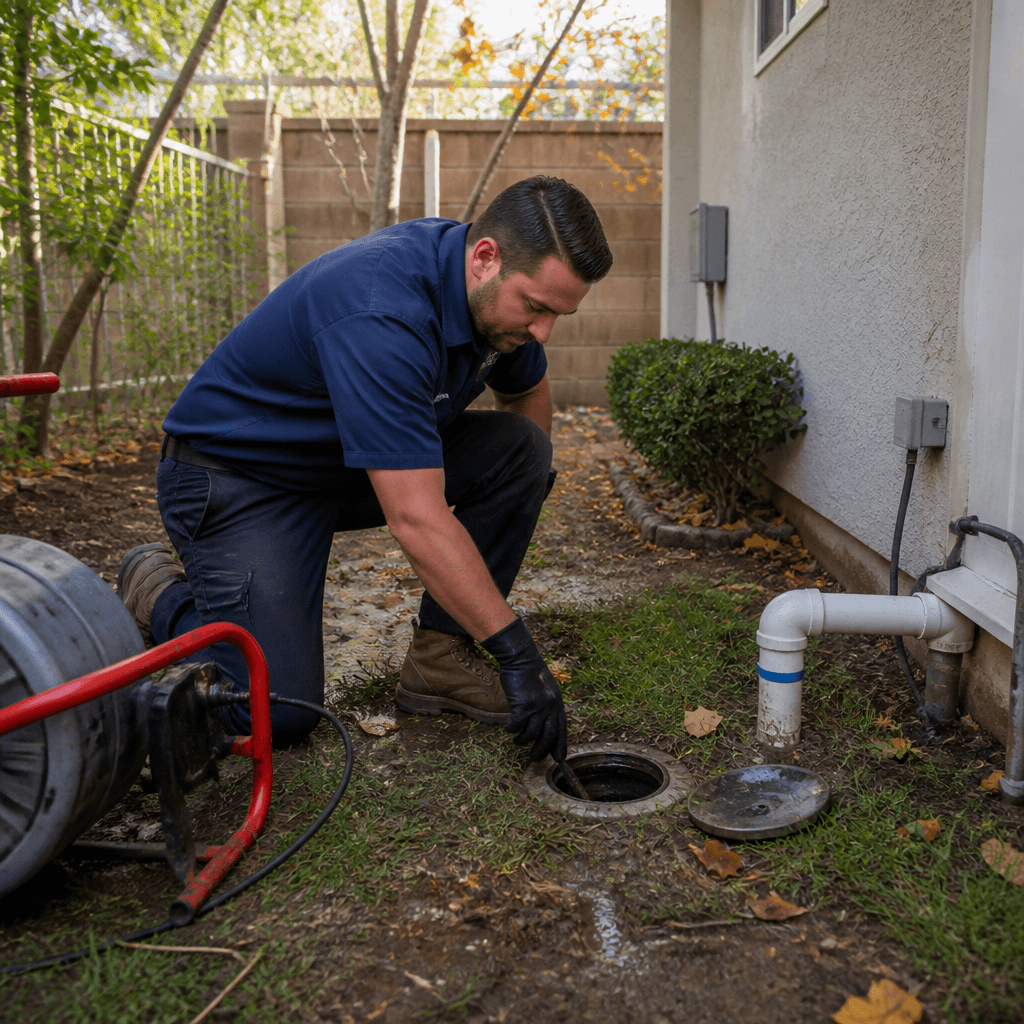
• Check exposed pipes, valves, and outdoor lines before the first freeze to catch small issues early and reduce the risk of winter plumbing damage.
• Watch for low water pressure, slow drains, and small leaks, since these early warning signs can point to bigger plumbing problems later.
• Simple fall prep like sealing drafts, draining outdoor lines, and testing shut-off valves can help prevent costly emergency repairs in cold weather.
Why Pre-Winter Plumbing Care Matters
Cold weather can put real pressure on a home’s plumbing system, and small issues can turn serious fast. A slow drip, weak water flow, or loose pipe joint in autumn can become a costly surprise once temperatures drop. That is why emergency plumbing prevention before winter should be on every homeowner’s list. If you want support from a local team, our plumbing services are built to help catch problems early.
We often see winter damage start with problems people ignore in September and October. Pipes in colder spots, aging fixtures, and hidden leaks can all fail when the weather turns colder. Taking care of these warning signs now can help reduce stress later and keep your home running smoothly.
The good news is that many plumbing emergencies can be avoided with a few smart steps. A little attention before the first freeze can save time, water, and money. When we focus on emergency plumbing prevention before winter, we make it much less likely that a small concern becomes a late-night call.
How We Help Stop Winter Plumbing Problems
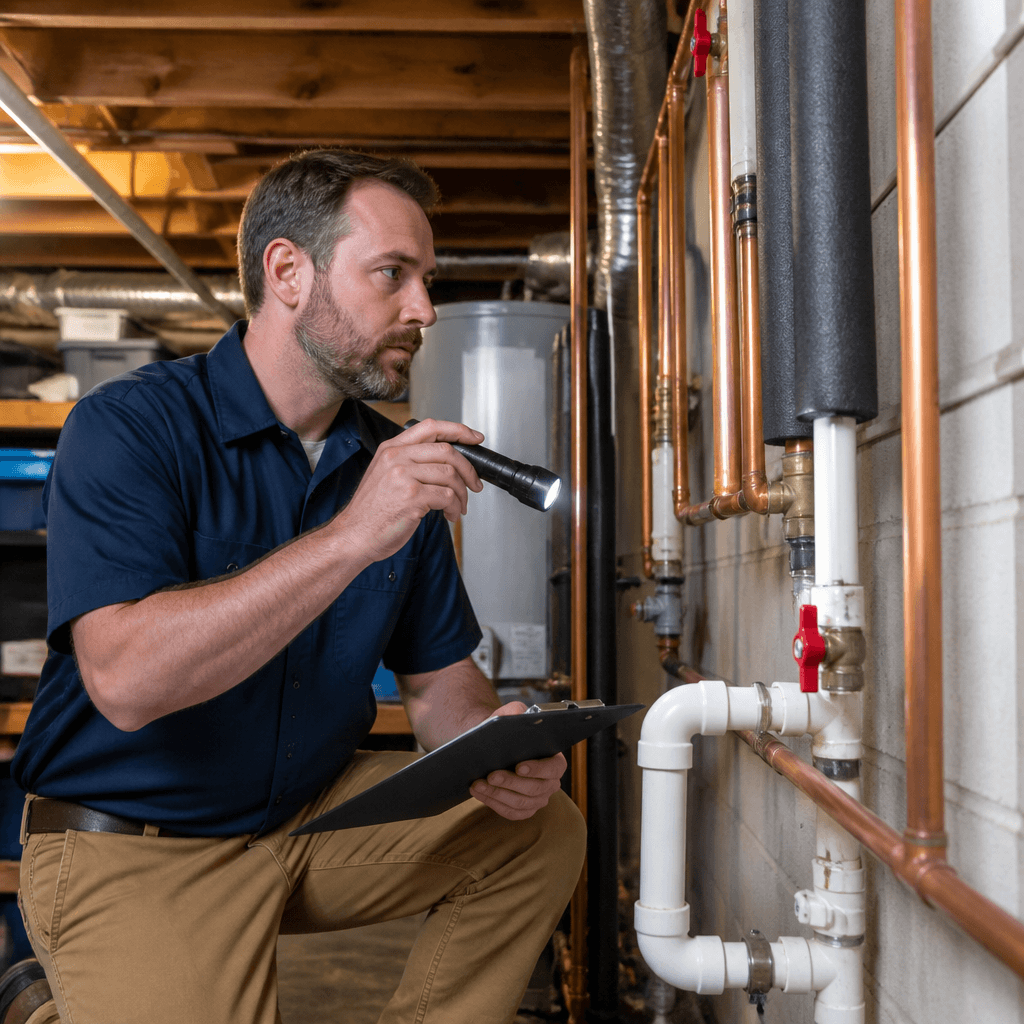
Our approach starts with looking at the places where cold tends to cause trouble first. That means checking exposed pipes, hose bibs, shut-off valves, drains, and any area where water might sit still and freeze. We also pay close attention to weak spots in the system because even a small crack can get worse when water expands inside a pipe.
We also recommend watching for changes in water pressure, slow drains, and unusual noises in the pipes. These clues can point to buildup, leaks, or stress in the system long before a full breakdown happens. When we treat these signs early, we make winter prep more effective and less costly. That is the kind of practical planning that supports emergency plumbing prevention before winter and helps protect your home.
Tips from the Pros
🧊 Tip 1: Check pipes in cold areas
Look at pipes in basements, crawl spaces, garages, and other unheated spots before the weather turns colder. These areas are more likely to freeze first because they get less warmth from the home.
🚰 Tip 2: Fix small leaks right away
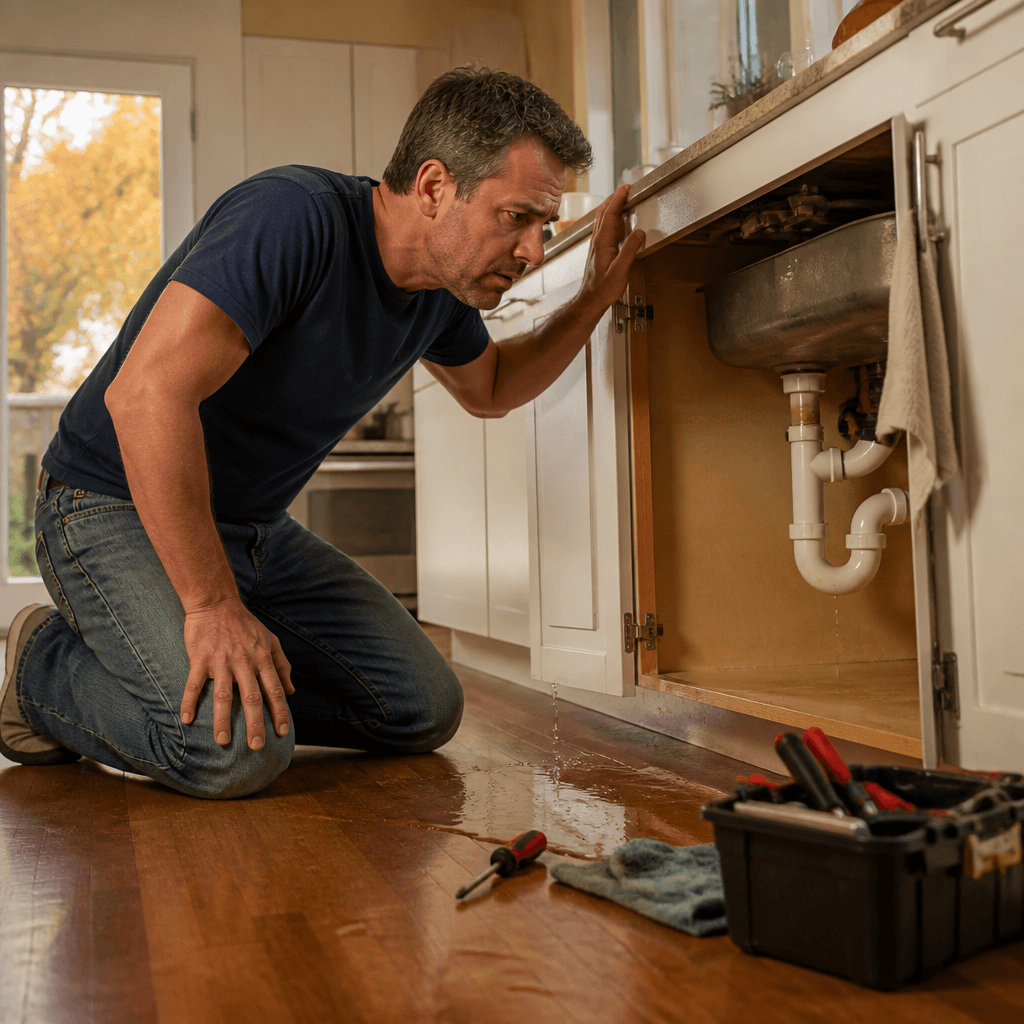
Even a tiny leak can waste water and create weak points in your plumbing system. A slow drip can become a bigger problem once temperatures drop and materials contract.
📋 Tip 3: Test shut-off valves now
Make sure your main water shut-off valve and fixture valves turn easily and work as they should. If a leak happens in winter, you need that valve to close fast.
🔥 Tip 4: Keep indoor spaces warm
Rooms with plumbing should stay warm enough to help protect the pipes inside them. A steady indoor temperature lowers the chance of freezing in exposed lines.
🌬️ Tip 5: Seal cold air leaks
Cold drafts near pipes can raise the risk of freezing, especially around vents, doors, and foundation gaps. Sealing those openings helps keep warmer air where your plumbing needs it most.
💧 Tip 6: Drain outdoor lines before frost
Hoses, sprinkler lines, and exterior faucets should not hold water when freezing weather arrives. Draining them early helps prevent cracking and burst lines.
🔎 Tip 7: Watch for pressure changes
Low water pressure, noisy pipes, or slow drainage can point to a plumbing issue that needs attention. These signs often show up before a larger emergency takes place.
🛠️ Tip 8: Schedule a seasonal checkup
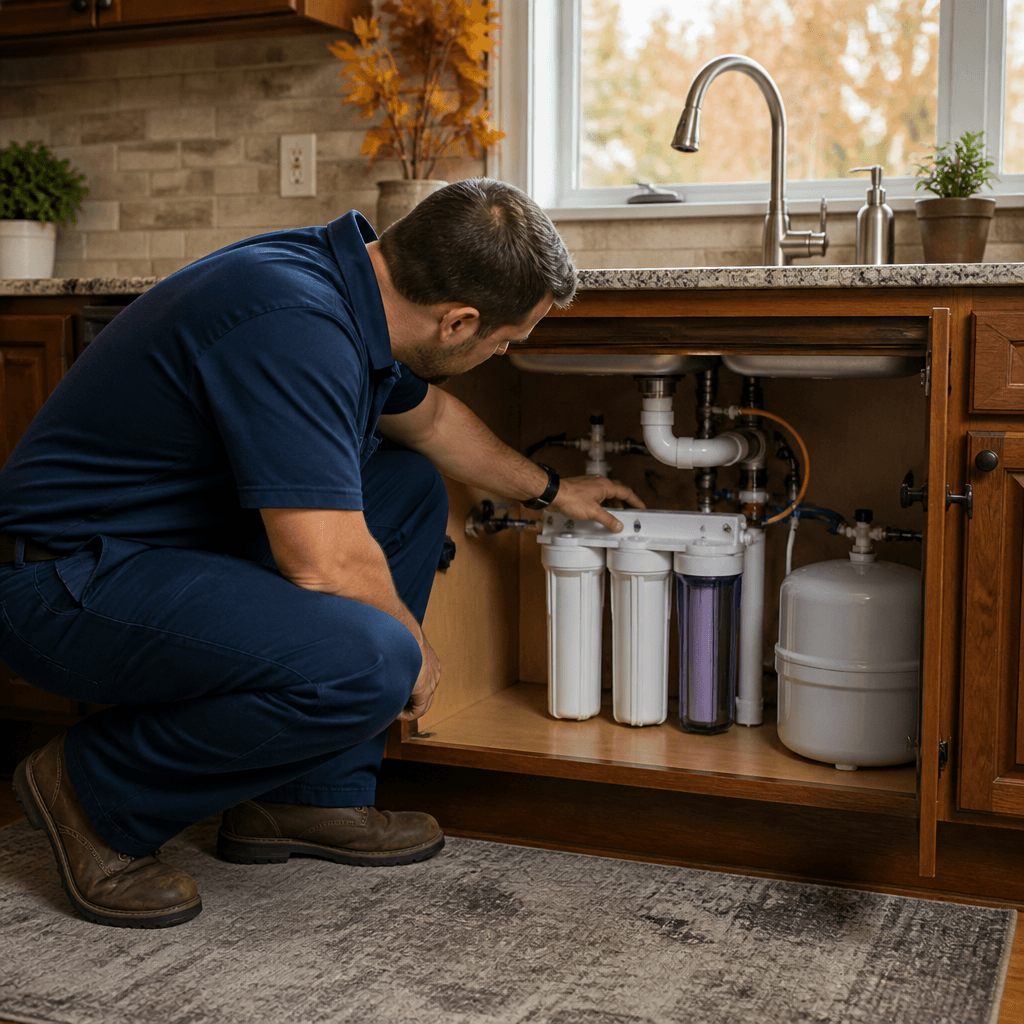
A pre-winter plumbing review can catch hidden problems before they turn into damage. This is one of the simplest ways to support emergency plumbing prevention before winter and avoid last-minute stress.
Frequently Asked Questions
What is emergency plumbing prevention before winter?
It is the process of checking and protecting your plumbing before cold weather causes damage. The goal is to prevent frozen pipes, leaks, and other winter plumbing emergencies before they start.
Why do pipes freeze in winter?
Pipes freeze when cold air pulls heat out of the water inside them and the temperature drops low enough. Unheated areas and exposed pipes are usually at the greatest risk.
How can I tell if my plumbing needs attention before winter?
Yes, there are common warning signs to watch for, including slow drains, low water pressure, and small leaks. These problems can point to stress in the system and should be checked before freezing weather arrives.
Should I disconnect outdoor hoses before winter?
Yes, you should disconnect outdoor hoses before freezing weather begins. Leaving them attached can trap water in the line and raise the chance of damage at the faucet.
Can emergency plumbing prevention before winter really save money?
Yes, it can save money by helping you avoid burst pipes, water damage, and urgent repair calls. Small fixes and seasonal checks are usually much less costly than winter emergency repairs.
Stay Ahead of Winter Plumbing Trouble
A little planning in autumn can make a big difference once the cold weather sets in. By checking weak spots, fixing leaks, and protecting exposed pipes, we can lower the risk of sudden plumbing trouble. That is the simple value of emergency plumbing prevention before winter.
When we handle plumbing concerns early, we protect both the home and the budget. Seasonal care gives us time to solve small problems before they become urgent. For updates and helpful community news, follow us on social media.