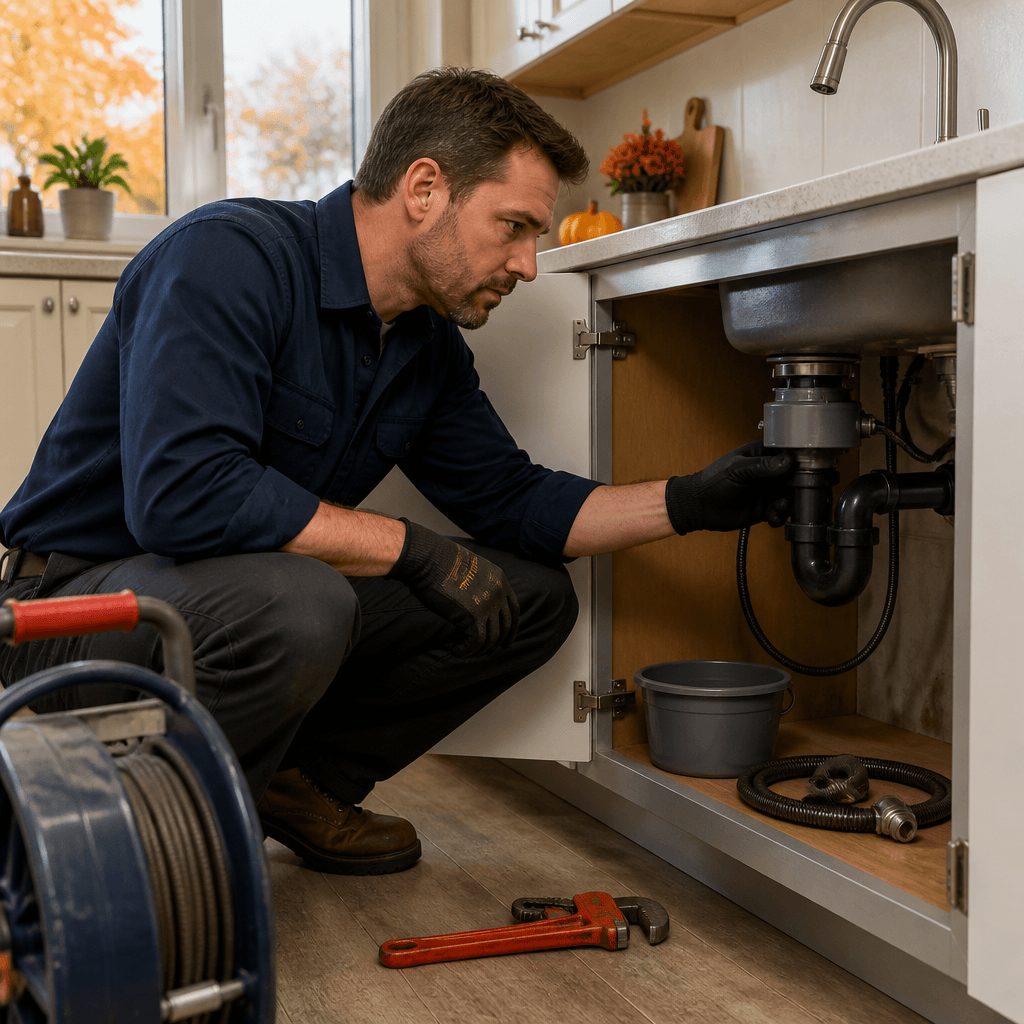
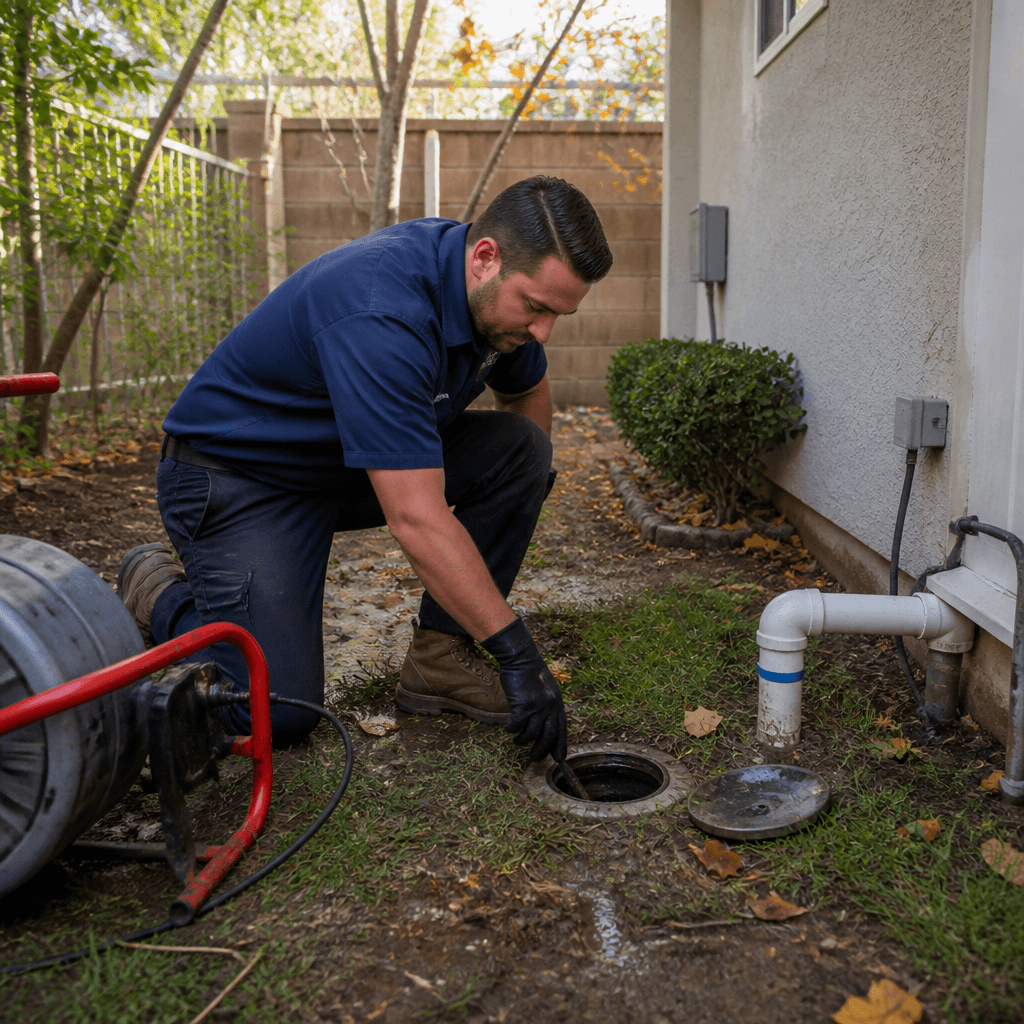
• Catch drain trouble early: Slow sinks, gurgling sounds, and bad odors can point to buildup before it turns into a bigger clog. Acting now can help keep your plumbing ready for heavier fall use.
• Use simple drain care habits: Warm water rinses, grease control, and keeping wipes, hair, and food scraps out of drains can reduce blockage risks. Small steps now can help water flow more smoothly later.
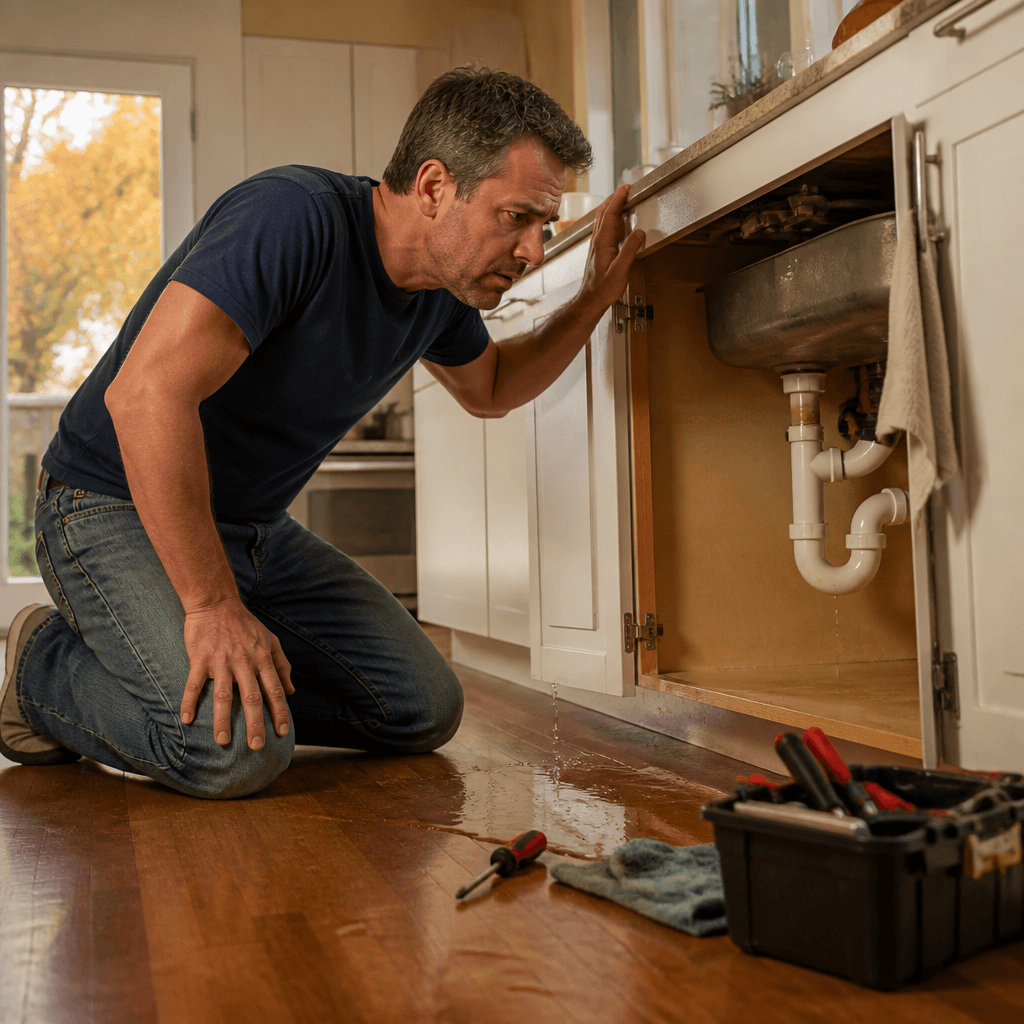
• Know when to call for help: If the same drain keeps clogging or water starts backing up, the issue may be deeper in the line. Fast action can help prevent water damage, messy backups, and more expensive repairs.
Introduction
Late summer is the right time to pay attention to what is happening inside your drains. A small slowdown now can turn into a bigger mess once fall brings more rain, more indoor use, and more debris moving through the system. If you are already noticing odd sounds, slow drains, or lingering smells, it is smart to act before the problem gets worse. Our drain cleaning service can help keep those issues from catching you off guard.
Many homeowners wait until a drain stops completely before giving it attention. By then, the buildup inside the line may already be hard enough to cause backups and extra pressure on the plumbing. That is why drain cleaning before fall season tips matter when the weather starts to shift and your home starts working harder. A little care now can save time, stress, and costly cleanup later.
Fall is often when plumbing problems show up at the worst possible moment. More cooking, more guests, and cooler weather can all put added strain on drains that are already slowing down. We want you to head into the season with fewer surprises and more peace of mind. Taking a few simple steps now can make a big difference once the busy months begin.
Core Tips for Better Drain Care
The first thing we tell homeowners is to watch for early warning signs in kitchen, bathroom, and laundry drains. Slow draining water often points to buildup forming inside the line, and that buildup usually gets worse over time. If you hear gurgling or notice water backing up more than once, the drain likely needs attention soon. Regular upkeep and a timely visit to our drain cleaning page can help prevent a minor issue from turning into a bigger one.
It also helps to think about what should and should not go into your drains during the late summer months. Grease, soap residue, food scraps, hair, and yard debris can all create clogs when they collect inside the pipe walls. We recommend staying ahead of buildup before cooler weather arrives, since drain trouble often shows up right when households are getting busier. Good habits now support smoother flow when fall begins.
Tips from the Pros
🧼 Tip 1: Flush Drains With Warm Water
Warm water can help move light soap and grease residue through the line before it hardens. A quick rinse after heavy sink use is a simple way to keep drains moving more freely.
🧴 Tip 2: Cut Back on Grease in the Sink
Grease is one of the fastest ways to create a drain clog because it cools and sticks inside pipes. Let cooking oil cool in a container and throw it away instead of washing it down the drain.
🧹 Tip 3: Clear Out Bathroom Drain BuildUp
Hair and soap scum often collect in bathroom drains long before a complete clog forms. Remove visible debris from stoppers and strainers so less material gets pushed deeper into the pipe.
🌧️ Tip 4: Check Drains Before Heavy Rain
Fall weather can bring more runoff and extra strain on outdoor and basement drains. Make sure water is moving away from the home and not pooling around problem areas.
🔎 Tip 5: Watch for Slow Drain Speed
A drain that takes longer than normal to empty is often showing the first sign of buildup. Catching that early can help you avoid a full blockage later in the season.
🗓️ Tip 6: Plan Service Before the Busy Season
Late summer is a smart time to schedule maintenance before fall routines get hectic. Getting ahead of drain problems now can help reduce the chance of an emergency call later.
🚫 Tip 7: Keep Problem Items Out of the Drain
Coffee grounds, wipes, rice, pasta, and food scraps can all create stubborn clogs. Even items that seem small can collect inside pipes and slow down flow over time.
🛠️ Tip 8: Call for Help at the First Sign of Trouble
If a drain keeps clogging after simple cleaning, there may be a deeper blockage in the line. Getting it checked early can help prevent water damage and repeated backups.
Frequently Asked Questions
Why should I clean my drains before fall?
You should clean your drains before fall because buildup can turn into a clog when household use increases. Cooler weather and heavier indoor activity often make existing drain problems show up faster.
What are the first signs I need drain cleaning before fall season tips?
The first signs are slow drainage, gurgling sounds, bad odors, and water backing up in sinks or tubs. These warning signs usually mean buildup is already forming in the line.
Can I prevent clogs with simple home care?
Yes, simple home care can reduce the chance of clogs. Keeping grease, hair, wipes, and food waste out of the drain makes a big difference in how well the plumbing flows.
How often should drains be checked?
Drains should be checked whenever you notice slow flow or recurring odors. If your home has frequent drain issues, a seasonal check before fall is a smart move.
Is professional drain cleaning worth it?
Yes, professional drain cleaning is worth it when buildup keeps coming back or a drain is draining slowly for no clear reason. It can help clear deeper blockages that basic cleaning methods may not reach.
Wrapping Up Before Fall
Getting your drains ready now can help you avoid a lot of stress once the fall season starts. Small warning signs often lead to bigger plumbing problems if they are ignored for too long, especially when the home gets busier. A little attention today can help keep your plumbing working the way it should.
We want you to feel confident heading into the season with drains that are clear and ready for daily use. If you are seeing signs of trouble, now is the time to take action and keep the problem from growing. For more updates and helpful home service news, follow us on social media.