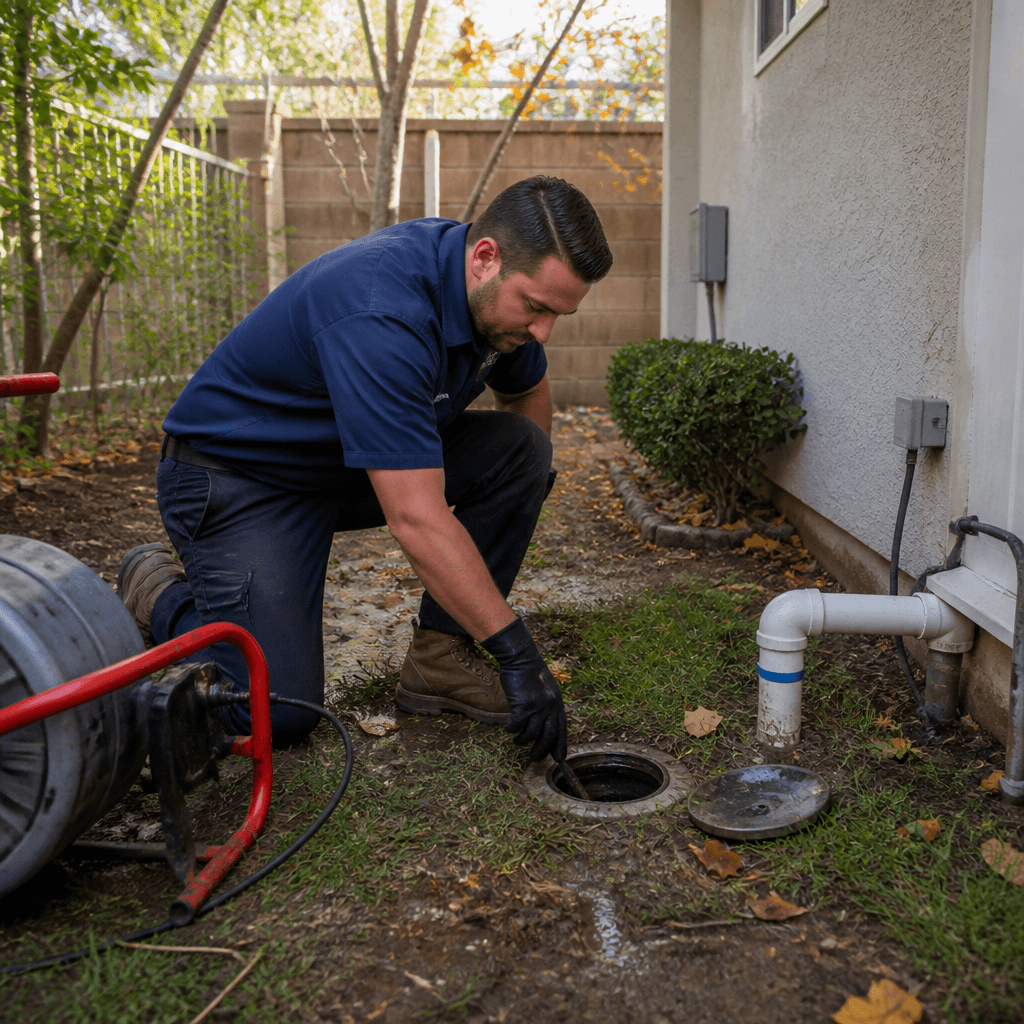
• Watch for early warning signs. A gas smell, hissing sound, weak appliance flames, or higher gas bills can all point to a line problem that needs quick attention.
• Know what to check first. Look at appliance performance, exposed piping, and outdoor areas near buried lines so you can spot changes before they turn into a bigger issue.
• Act fast to stay safe. If more than one warning sign shows up, stop using the area and have a trained professional inspect the gas line as soon as possible.
Why Gas Line Warning Signs Matter
In Westminster, colder November weather can put extra pressure on home gas systems, and that makes early warning signs easy to miss. If you notice anything unusual, it is smart to act fast before a small issue turns into a bigger safety problem. A gas line problem can affect comfort, damage equipment, and put people at risk in a short amount of time. That is why we take signs your gas line needs inspection seriously from the first hint of trouble.
Some warning signs are easy to overlook because they seem minor at first. A faint odor, a hissing sound, or a sudden change in how your gas appliances work can all point to a line issue. We help homeowners stay ahead of danger by checking problems early, as part of our leak detection services. Waiting too long can let a small concern grow into a much larger repair.
Gas lines should never be treated like a wait-and-see issue. Even when the signs seem small, they can mean the line is damaged, loose, or no longer working as it should. In a busy season like autumn, people often rely more on heating systems and gas appliances, which makes inspections even more important. When something feels off, it is always better to check it now than to hope it goes away.
How We Check Gas Line Warning Signs
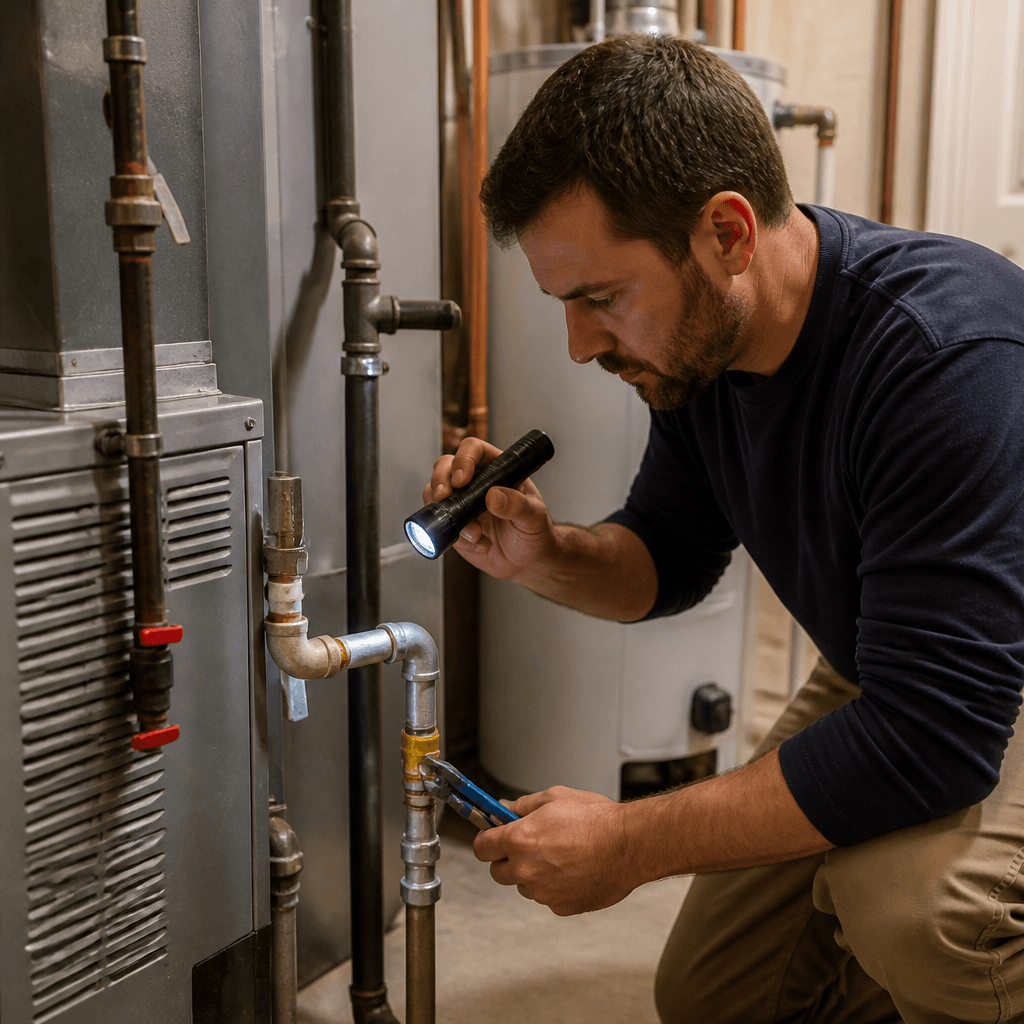
We start by looking for changes in smell, sound, and appliance performance. If there is a sulfur-like odor, a soft hiss near a line, or burners that no longer light the way they should, those details matter. A proper inspection also looks at fittings, exposed lines, and the areas where lines connect to equipment. These small checks help us find trouble before it spreads.
We also pay attention to signs inside the home that may seem unrelated at first. Dead vegetation near a buried line, higher gas bills, or equipment that runs poorly can all point to a problem in the system. Because gas concerns can move quickly, the goal is to catch the issue early and correct it safely. A careful inspection gives you a clear answer instead of a guess.
Step-by-Step Gas Line Safety Check
👃 Step 1: Notice Any Unusual Smell
A gas odor is one of the most important signs to watch for. If you smell something like rotten eggs near appliances, walls, or outside lines, treat it as a warning right away.
👂 Step 2: Listen for Hissing or Whistling
A damaged gas line can make a soft hissing or whistling sound when gas escapes. This often happens near joints, fittings, or small cracks, so even a faint sound should not be ignored.
🔥 Step 3: Check How Appliances Are Working
Gas appliances should light and run in a steady way. If burners are weak, flames look uneven, or equipment keeps shutting off, the gas supply may need a closer look.
📍 Step 4: Look Around Exposed Gas Lines
Visible lines should stay in good condition with no rust, loose fittings, or damage. If you can safely see the piping, check for signs of wear, because surface damage can point to a deeper issue.
🌿 Step 5: Inspect Outdoor Areas Near Buried Lines
If gas lines run underground, look for dead grass or soil changes above the path of the line. These signs can point to a leak below the surface and should be taken seriously.
💲 Step 6: Watch for Unexpected Bill Changes
A gas system that is leaking or not working right may use more fuel than normal. If your bill rises without a clear reason, that may be one of the signs your gas line needs inspection.
🛑 Step 7: Stop Using the Area If Something Feels Wrong
If you notice a strong odor or any other serious warning sign, avoid using switches, flames, or appliances in that space. The safest move is to leave the area and get the line checked right away.
📞 Step 8: Have a Pro Inspect the Line
A trained plumber can test the line, check connections, and confirm whether the problem is real. Professional inspection is the safest way to protect your home and rule out a hidden hazard.
Common DIY Mistakes to Avoid
Trying to handle a gas line issue alone can create more risk than many people realize. Some mistakes happen because the warning signs seem small, while others happen because people want a fast fix. The safest approach is to stay calm, avoid guesswork, and know when a trained pro needs to step in.
– ⚠️ Mistake 1: Ignoring a faint gas smell
This happens when people think the odor is coming from something minor or temporary. A smell like rotten eggs can point to a gas issue, so the best prevention is to treat it as a real warning and act fast.
– ❌ Mistake 2: Using matches or switches to check for leaks
Some people try to confirm a leak with a flame or by flipping electrical switches, which can spark danger. The safer choice is to avoid any ignition source and let a professional inspect the line.
– 🚫 Mistake 3: Forgetting to check appliance performance
It is easy to focus only on smell and sound while missing weak flames or poor burner function. To prevent this, pay attention to how each gas appliance is running, since changes can be an early warning.
– ⚠️ Mistake 4: Overlooking outdoor signs near buried lines
People often skip the yard because the problem is out of sight. Dead patches of grass or soil changes can point to a leak below ground, so outdoor areas should always be part of the check.
– ❌ Mistake 5: Waiting to call for help after several warning signs
This usually happens because homeowners hope the issue will settle on its own. If more than one warning sign shows up, the best prevention is to get the gas line inspected right away.
Frequently Asked Questions
What are the most common signs your gas line needs inspection?
Yes, the most common signs include a gas smell, hissing sounds, weak appliance flames, and higher gas bills. These warning signs can mean there is a leak, loose fitting, or another issue in the line.
Is a small gas smell in the house something to worry about?
Yes, even a small gas smell should be taken seriously. Gas odors are not something to ignore because they can point to a leak that needs immediate attention.
Can a gas line problem affect how my furnace or stove works?
Yes, a gas line problem can affect the way gas appliances start and run. If burners are weak or equipment keeps acting up, the gas supply may need inspection.
How often should gas lines be checked?
Yes, gas lines should be checked any time warning signs appear, even if the system seems to be working. Regular inspections are also a smart idea when appliances are older or the home has had gas work done before.
What should I do first if I think there is a gas line issue?
Yes, the first step is to stop using the area and avoid anything that could create a spark. Then the gas line should be inspected by a qualified professional as soon as possible.
Final Thoughts on Gas Line Safety
Gas line issues are not something to brush aside, especially when warning signs show up during a busy season in Westminster. A quick response can help protect your home, your comfort, and the people inside it. By staying alert and knowing what to look for, you can take the right next step before a small problem gets worse.
If you have noticed any of the signs your gas line needs inspection, it is best to act quickly and trust trained help to check it properly. We are here to help you stay safe and keep your system running the way it should, so follow us on social media.