• Sewer line problems often start with slow drains, sewer smells, or wet spots, and acting fast can help prevent bigger damage.
• A proper sewer line repair involves finding the damaged section, checking the cause, and choosing the right repair method for the pipe.
• Homeowners should avoid DIY mistakes like guessing the problem, skipping inspection, or using temporary fixes that do not solve the real issue.
Why Sewer Line Repairs Need Quick Attention
When sewer trouble starts, it rarely stays small for long. Slow drains, bad odors, and soggy spots in the yard can point to a deeper issue that needs fast action. If you wait too long, the problem can spread and lead to more damage inside and outside the home. For homeowners in Anaheim, acting early can help protect both comfort and property value.
So, what does a sewer line repair involve? In many cases, it starts with finding the damaged section and learning what caused the issue in the first place. Our team often helps homeowners spot the warning signs before the line fails completely, and our sewer line repair and replacement service is designed to handle that kind of work the right way. In Fall, shifting ground and heavier use can make hidden sewer problems show up fast.
A sewer issue can affect your whole plumbing system, not just one drain. That is why it helps to treat early signs like backup, gurgling, or repeated clogs as a real warning. In a place like Anaheim, where older pipes and changing weather can both play a part, it makes sense to act before a small repair becomes a larger one. The sooner the issue is checked, the easier it is to limit stress on your home.
How Sewer Line Repairs Work
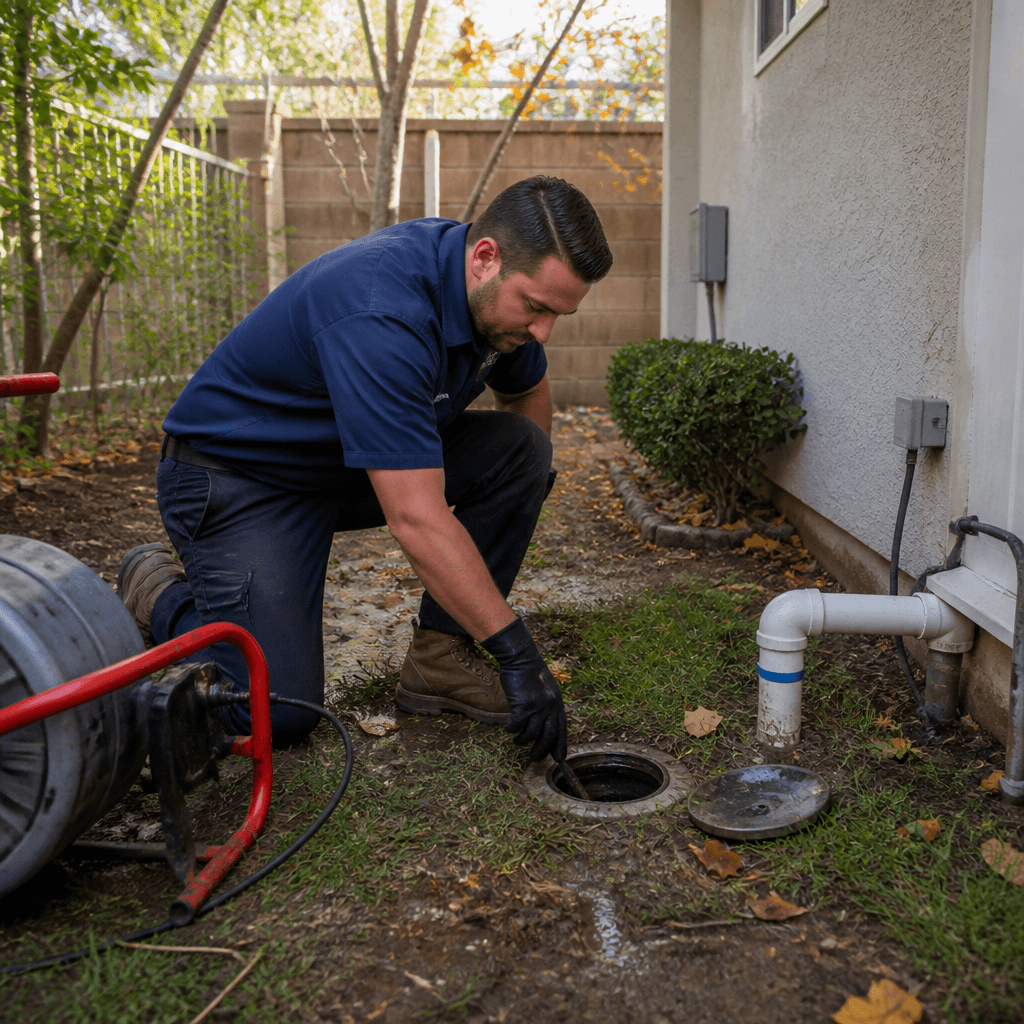
A sewer line repair usually begins with a close inspection of the pipe and the area around it. We look for cracks, breaks, root intrusion, or sections that have shifted out of place, since these are common reasons a line starts to fail. Once we know where the damage is, we can choose the safest way to fix it.
The repair method depends on what the pipe needs and where it sits underground. Some jobs call for digging up a small section, while others may be handled with less invasive methods when the line allows it. Either way, the goal is to restore proper flow and keep the rest of the system working as it should.
Step-by-Step Sewer Line Repair Guide
🔍 Step 1: Check for Warning Signs
Look for slow drains, sewer smells, wet spots, or backups in more than one drain. These signs often point to a deeper sewer problem rather than a simple clog.
📍 Step 2: Find the Problem Area
A plumber starts by locating where the damage is most likely happening. This matters because sewer issues can sit under a yard, driveway, or slab, and the repair plan depends on the exact spot.
📷 Step 3: Inspect the Line
A camera inspection is often used to see inside the pipe. This helps identify cracks, roots, breaks, or buildup without guessing.
🧱 Step 4: Identify the Cause
Once the line is visible, the next step is to learn what caused the trouble. Common causes include corrosion, shifting soil, and root growth that pushes into the pipe.
🛠️ Step 5: Choose the Repair Method
The repair plan depends on the type and size of the damage. Some problems need a spot repair, while others may require a larger section to be replaced.
🚧 Step 6: Expose the Damaged Pipe
If the line needs direct access, the damaged section is opened carefully. This step must be done with care to avoid harming nearby plumbing or property.
🔧 Step 7: Fix or Replace the Section
The damaged part is repaired or replaced so wastewater can flow again. The goal is to seal the line properly and stop the issue from coming back in the same spot.
✅ Step 8: Test the Line
After the work is done, the line is tested to make sure it drains correctly. This final check confirms that the repair is working and that there are no new leaks or blockages.
Common DIY Mistakes to Avoid
Sewer line work is one of those jobs where a small mistake can turn into a big mess. Homeowners often try to save time or money, but the wrong move can make the problem harder to fix later. Knowing the most common errors can help prevent damage and wasted effort.
⚠️ Mistake 1: Ignoring Early Signs
Some people wait until a full backup happens before taking action. This happens because early symptoms can seem minor, but that delay often lets the damage spread. The best way to prevent it is to act as soon as multiple drains slow down or odors start showing up.
⚠️ Mistake 2: Guessing the Problem Location
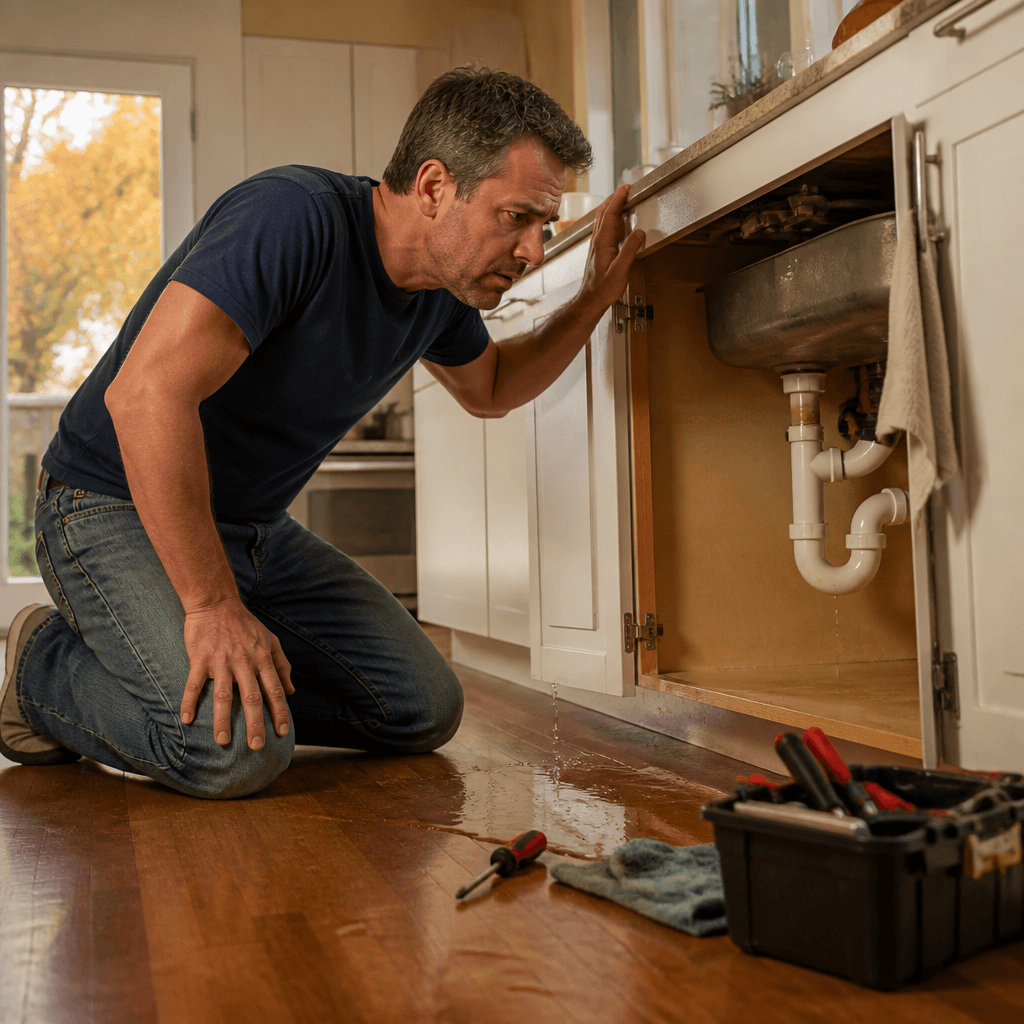
It is easy to assume the issue is in one sink or toilet when the sewer line is actually the cause. This mistake happens when the symptoms look like a basic clog at first. A proper inspection helps avoid unnecessary repairs in the wrong place.
🚫 Mistake 3: Skipping a Camera Check
Many DIY attempts fail because the homeowner cannot see inside the line. Without a clear view, it is hard to know whether the issue is a crack, roots, or a collapsed section. A camera inspection prevents guesswork and helps guide the right repair.
❌ Mistake 4: Using Temporary Fixes Too Long
Some people keep using chemical drain products or patch jobs instead of fixing the actual damage. This often happens because those fixes seem fast and easy. The problem is that they do not solve broken or shifted sewer pipe sections, so the issue usually returns.
⚠️ Mistake 5: Damaging the Pipe During Digging
A sewer line can be harmed if someone digs without knowing the exact pipe location. This usually happens when the repair area is not mapped out first. Careful marking and proper locating help prevent extra damage and higher repair costs.
Frequently Asked Questions
What does a sewer line repair involve?
A sewer line repair involves finding the damaged part of the pipe, identifying the cause, and fixing or replacing the affected section. In many cases, the process starts with a camera inspection so the repair is based on what is actually happening inside the line.
How do I know if my sewer line needs repair?
Yes, several warning signs can point to sewer line trouble, including repeated clogs, slow drains, sewer odors, and wet areas in the yard. If more than one drain is acting up at the same time, the sewer line may be the source.
Can a sewer line repair be done without digging?
Yes, some sewer line repair jobs can be handled with less digging, depending on the type and location of the damage. The repair method depends on the condition of the pipe and whether the line can support a less invasive fix.
How long does a sewer line repair take?
Yes, the time needed for a sewer line repair depends on the damage and the repair method. A small spot repair may take less time, while a larger section that needs replacement can take longer.
Why do sewer lines break or get damaged?
Yes, sewer lines can break because of age, shifting soil, corrosion, root intrusion, or outside pressure on the pipe. Over time, these issues can weaken the line and lead to cracks, leaks, or blockages.
What to Remember About Sewer Repairs
Sewer problems need prompt attention because they can affect the whole plumbing system and lead to serious damage if ignored. When we understand the warning signs and the repair process, it becomes easier to act before the issue gets worse. That is especially important for Anaheim homes in Fall, when hidden problems can show up more clearly.
A careful repair starts with finding the cause, choosing the right fix, and testing the line afterward. When that process is done correctly, homeowners can feel more confident that the system is working the way it should. If you want to stay updated with our latest plumbing tips and service news, follow us on social media.