• Poor indoor air quality can come from dust, pet dander, smoke, moisture, and weak airflow. In fall, closed windows and longer time indoors can make these issues more noticeable fast.
• Simple steps like changing filters, clearing vents, reducing moisture, and cleaning dusty areas can make a real difference. Checking the HVAC system is also important because dirty parts can spread the same air through the home again.
• If the air still feels stale, musty, or heavy after basic fixes, the problem may go deeper. A closer look at ducts, airflow, and system care can help pinpoint what causes poor indoor air quality indoors and guide the next step.
Why Indoor Air Can Turn Bad Fast
Fall in Garden Grove brings cooler mornings, more time indoors, and a bigger need to pay attention to the air we breathe. If the air inside feels stale, dusty, or heavy, it can make a home feel uncomfortable fast. Many homeowners start noticing the issue when allergies flare up, odors linger, or rooms never seem fresh enough. That is why it helps to know what causes poor indoor air quality indoors before the problem grows worse.
Small home issues can build up quickly when windows stay shut and airflow drops. Dust, pet dander, moisture, and dirty filters can all make indoor air feel harder to breathe. In many homes, the HVAC system moves these particles around if it is not working the right way. If we wait too long, the air can keep getting worse and the comfort level can keep dropping.
The good news is that most indoor air problems have clear causes and practical fixes. A smart first step is to look at the whole system, from vents to filters to moisture control, and then make changes that fit the home. Our indoor air quality services can help identify where the trouble starts and what needs attention. Once we know the source, it becomes much easier to improve the air and help the home feel cleaner.
What Usually Affects Indoor Air
Indoor air quality often suffers when pollutants build up faster than the home can remove them. Cooking smoke, cleaning chemicals, dust, pollen, and pet hair can all stay trapped inside for longer periods during fall. Poor ventilation makes the problem worse because fresh air is not moving through the house often enough. Moisture can also lead to musty smells and create the right setting for mold growth.
Another common issue is HVAC care that has been put off for too long. Dirty filters, leaky ducts, and clogged return vents can spread particles through the home instead of capturing them. If the system is not cleaned and maintained, it may keep circulating the same polluted air again and again. That is why fixing air quality is not just about comfort, but also about keeping the system and the home working better together.
Step-by-Step Guide to Cleaner Indoor Air
🔍 Step 1: Check for the Main Sources
Start by looking for the biggest causes of stale air in the home, such as dust buildup, pet hair, cooking smoke, or strong chemical smells. This matters because the source has to be found before the problem can be controlled.
🧼 Step 2: Replace Dirty Air Filters
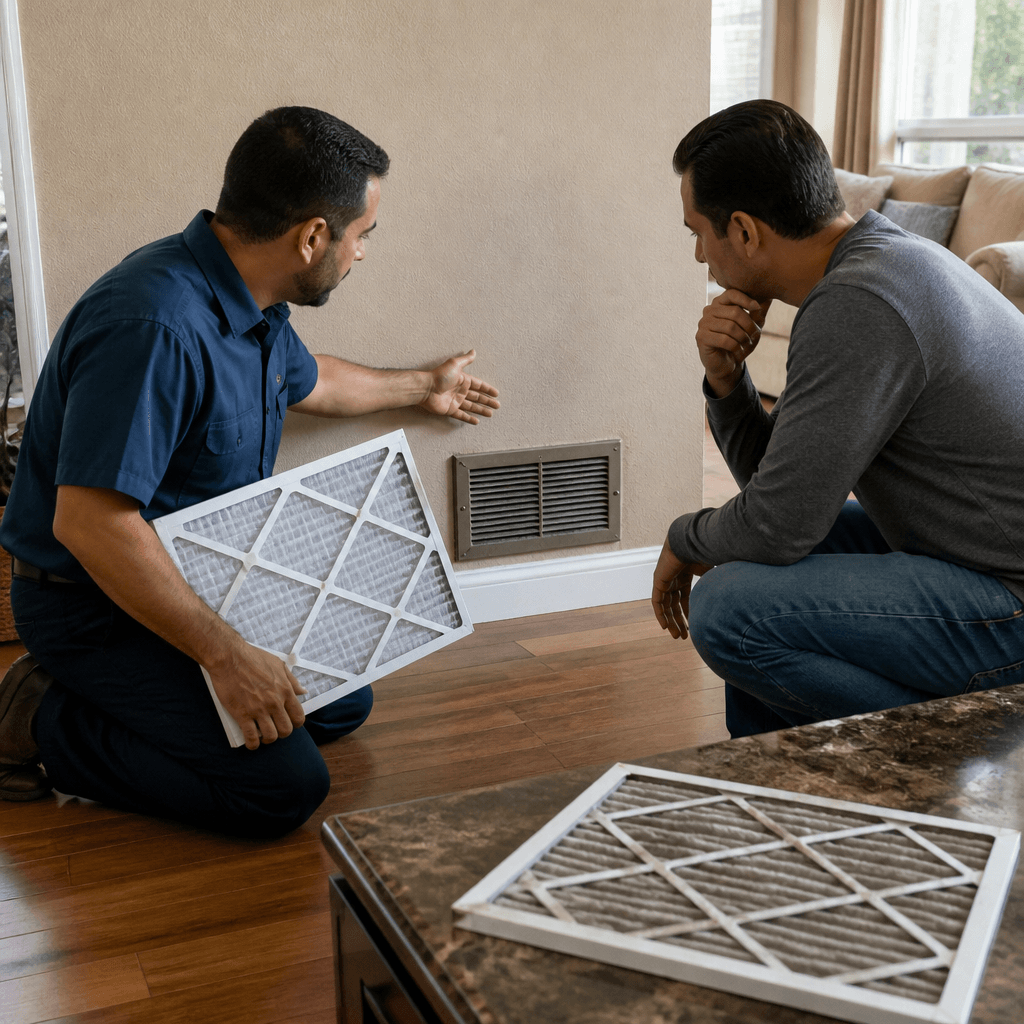
A clogged filter can trap less debris and let more particles move through the system. Replace filters on schedule so the HVAC system can do a better job of catching dust and other airborne material.
🌬️ Step 3: Improve Airflow in the Home
Open vents, keep furniture away from registers, and make sure return grilles are not blocked. Good airflow helps move indoor air through the system so it can be cleaned and recirculated more effectively.
💧 Step 4: Check for Extra Moisture
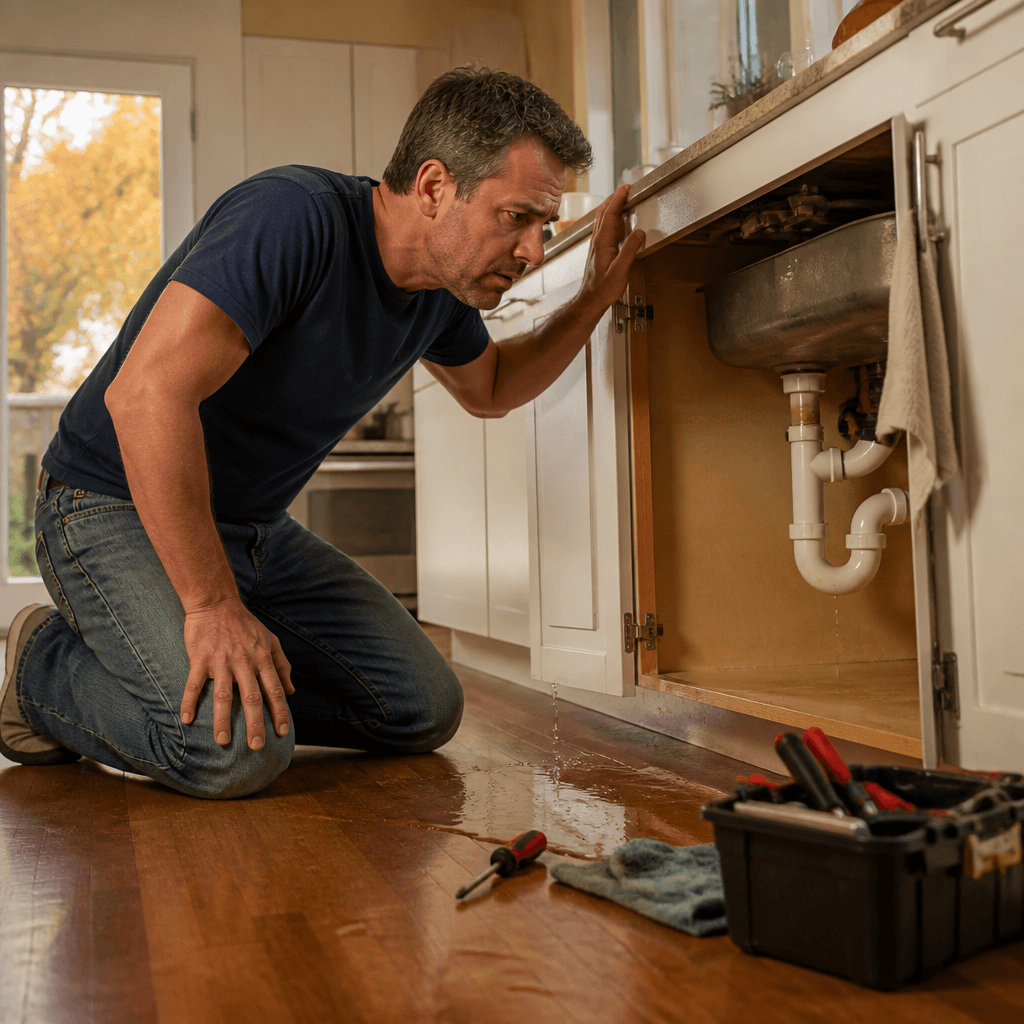
Look for signs of leaks, damp areas, or condensation around windows and vents. Too much moisture can make odors worse and can support mold growth, which can hurt air quality.
🧽 Step 5: Clean Dust-Prone Areas
Wipe baseboards, vents, fans, and other places where dust collects. This helps reduce the amount of material that gets pulled back into the air when the system runs.
⚙️ Step 6: Inspect Ducts and System Parts
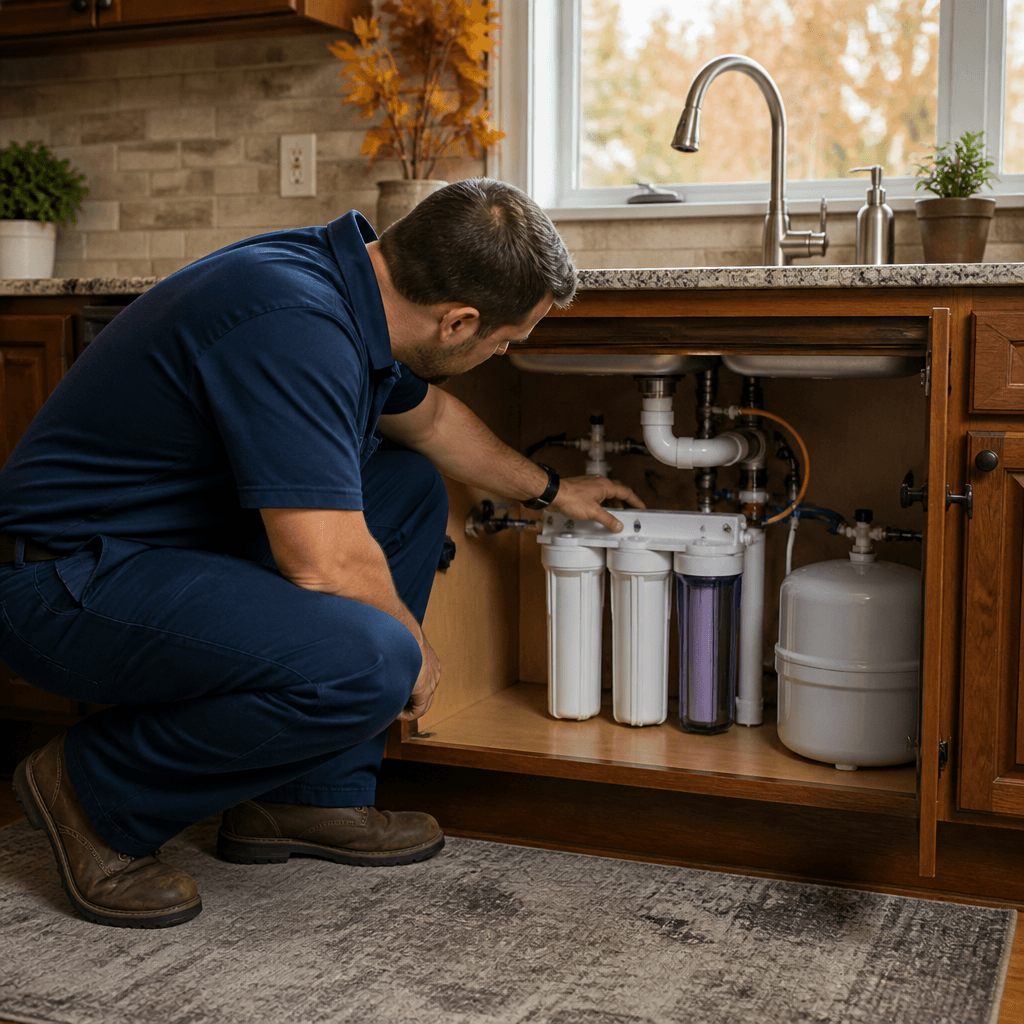
Make sure ducts, coils, and other key parts are not clogged, damaged, or leaking air. Problems in these areas can spread dirt through the home and make indoor air harder to keep clean.
🛠️ Step 7: Maintain the HVAC System
Schedule regular service so the system stays in good working shape through the season. A well-kept system can move air more evenly and help reduce the buildup of indoor pollutants.
📋 Step 8: Recheck the Air After Changes
After making improvements, pay attention to odor, dust, and how the rooms feel. If the air still seems off, the issue may need a deeper look from a trained professional.
Common DIY Mistakes to Avoid
Trying to fix air problems at home can help, but small mistakes often keep the issue going. Many people focus on one visible sign and miss the real cause behind the poor air. Others make quick changes that do not solve the full problem and may even make airflow worse.
- ⚠️ Mistake 1: Only Cleaning What You Can See
This happens when dust on shelves gets wiped away, but vents, filters, and hidden buildup are ignored. It usually happens because visible dirt feels like the main issue, even when the bigger problem is inside the system. Prevent it by checking the full airflow path, not just the surfaces you can reach. - ⚠️ Mistake 2: Waiting Too Long to Change Filters
A dirty filter can slow airflow and let more particles spread through the home. People often delay changing it because the system still runs, so they think it is fine. Prevent this by checking filters on a steady schedule and replacing them before they are packed with debris. - ⚠️ Mistake 3: Ignoring Moisture Problems
Hidden moisture can lead to smells, damp air, and more indoor contaminants. This mistake often happens because the signs are easy to miss until the problem gets larger. Prevent it by checking for leaks, damp spots, and condensation in the home. - ⚠️ Mistake 4: Blocking Vents and Returns
Furniture, rugs, or clutter can restrict airflow and keep the system from moving air properly. This often happens when people rearrange rooms without thinking about how the air moves. Prevent it by keeping vents and returns open and clear at all times. - ⚠️ Mistake 5: Skipping System Maintenance
A home can still have poor air quality even when the rooms are clean if the HVAC system is not cared for. This usually happens when homeowners focus only on cleaning and forget that the system itself needs attention. Prevent it by keeping up with regular service and checking system parts that move and clean air.
Frequently Asked Questions
What causes poor indoor air quality indoors?
Yes, poor indoor air quality indoors is usually caused by dust, pet dander, smoke, cleaning chemicals, moisture, and weak ventilation. When these issues build up, the air can feel stale and may trigger discomfort or allergy symptoms.
How do I know if my home has poor indoor air?
Yes, common signs include musty odors, more dust than usual, stuffy rooms, and allergy flare-ups indoors. If the air feels heavy or the home never seems to smell fresh, that is a strong clue that something needs attention.
Can my HVAC system affect indoor air quality?
Yes, your HVAC system can play a big role in indoor air quality. Dirty filters, clogged parts, and leaky ducts can spread particles through the home instead of helping remove them.
What is the first thing I should do to improve indoor air?
Yes, the first step is usually to check the filters, airflow, and moisture levels in the home. These simple areas often reveal what causes poor indoor air quality indoors before more serious issues are considered.
Why does indoor air feel worse in fall?
Yes, indoor air can feel worse in fall because windows stay closed more often and fresh air moves through the home less. That can let dust, odors, and other particles build up faster inside.
Keeping Your Home Air Clear
Clean indoor air starts with simple habits, steady maintenance, and paying attention to early warning signs. When we know what to look for, it becomes easier to stop air problems before they affect comfort and peace of mind. In a place like Garden Grove, that matters even more as fall weather keeps families indoors for longer stretches.
If your home still feels stale or dusty after basic fixes, it may be time for a closer look at the system and the air moving through it. We help homeowners get to the root of the issue so they can breathe easier and feel better at home. For more updates and helpful tips, follow us on social media.