• Fall drain care helps prevent winter backups. Small clogs, slow drainage, and odors can turn into bigger plumbing problems once colder weather arrives. Taking action early helps protect your home before heavy seasonal use begins.
• Simple habits can keep drains flowing longer. Avoid pouring grease down sinks, clean strainers often, and watch for warning signs like gurgling or slow drains. These small steps can reduce buildup and lower the risk of a sudden clog.
• Professional drain cleaning can save time and stress. If the same drain keeps backing up or smells bad, the issue may be deeper in the line. Getting help before winter can keep your plumbing ready for the season and prevent last-minute trouble.
Why Fall Drain Prep Matters
As the weather turns cooler, small drain problems can grow fast. Left alone, a slow sink or backed-up shower can turn into a messy repair right when we need our plumbing most. That is why drain cleaning before winter season tips should be part of every homeowner’s fall checklist.
Cold weather can make hidden drain issues show up at the worst time. Grease, soap, hair, and food scraps can build up inside pipes and slow the flow before winter arrives. When that happens, simple everyday use can lead to clogs, bad smells, and water backing up into the home.
We want our customers to stay ahead of those problems before the season changes. A little care now can help protect your plumbing and reduce the chance of an urgent call later. For more help, our drain cleaning service is a smart place to start.
Smart Drain Care Before Cold Weather
A drain that seems fine in September can become a real issue once the temperature drops. Pipes in colder conditions may move water more slowly, and any buildup inside them can make the problem worse. That is why regular cleaning and careful use matter so much during fall.
We also know that some drain trouble starts with habits, not just age. Pouring grease down the kitchen sink, flushing wipes, or letting debris wash into drains can lead to clogs that sit out of sight for months. When winter use increases, those small blockages can turn into bigger trouble fast.
The best approach is to watch for early warning signs and act before the first cold snap. If water is draining slower than usual, or if you notice gurgling sounds, the pipes may already need attention. Taking care of these signs now can save time, stress, and damage later.
Tips From The Pros
🧼 Tip 1: Flush Drains With Hot Water
Run hot water through kitchen and bathroom drains to help move loose buildup through the pipes. This is a simple step that can reduce early clogging before winter use increases.
🔎 Tip 2: Watch for Slow Drainage
Slow draining water is often the first sign that buildup is collecting inside the line. If more than one drain is moving slowly, the issue may be deeper in the system.
🛑 Tip 3: Keep Grease Out of the Sink
Grease cools and hardens inside pipes, which makes it one of the most common causes of clogs. Wipe pans with a paper towel and throw the grease away instead of rinsing it down the drain.
🧽 Tip 4: Clean Sink Strainers Often
Sink strainers catch food bits, hair, and other debris before they enter the drain. Empty them often so small pieces do not build up and cause a blockage.
🌡️ Tip 5: Check Basement and Utility Drains
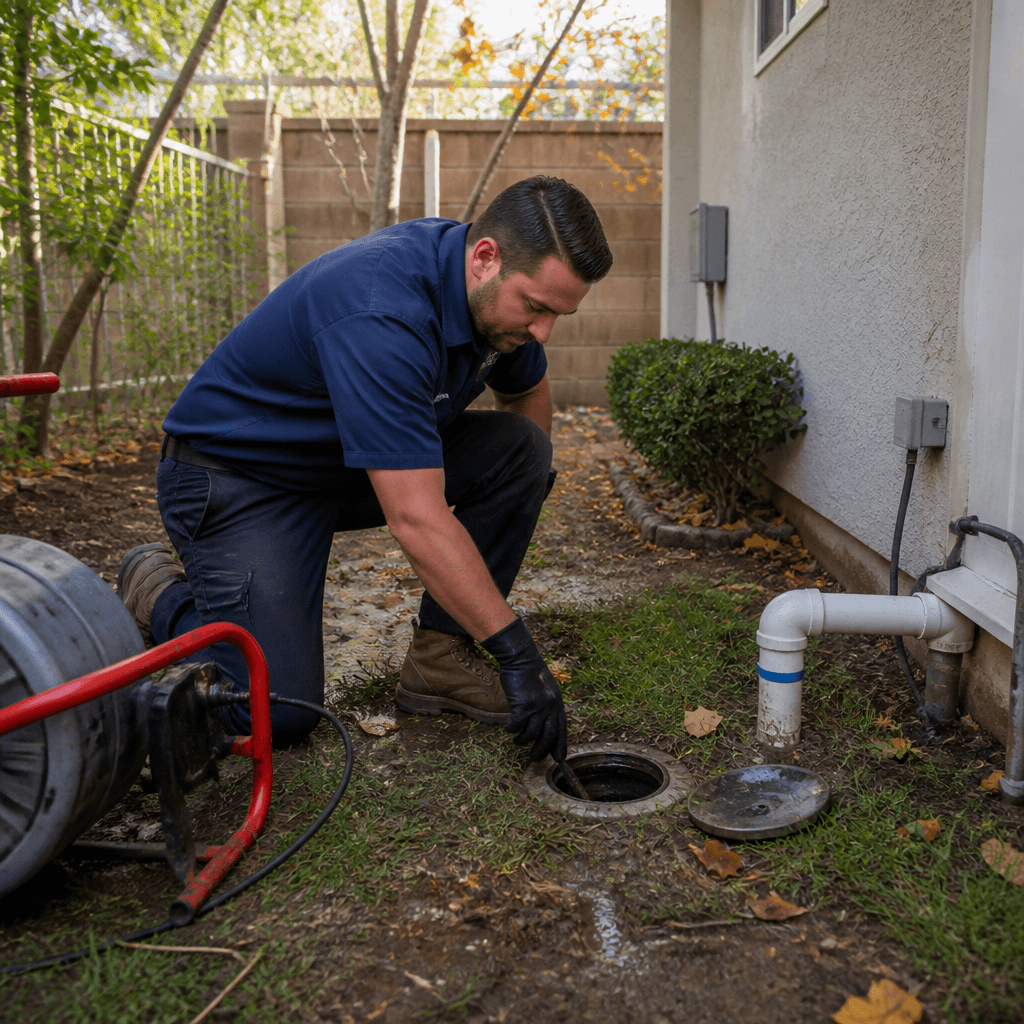
Utility drains can collect dirt, lint, and other debris over time. These drains are easy to forget, but they should be checked before colder weather puts more strain on the plumbing system.
🚿 Tip 6: Pay Attention to Shower Backup
If water pools in the shower, hair and soap residue may already be slowing the drain. A quick response now can help prevent a full clog later in the season.
📅 Tip 7: Schedule Service Before Winter Rush
Fall is a good time to handle drain concerns before winter brings heavier household use. Booking early can help keep your plumbing ready for the colder months ahead.
⚠️ Tip 8: Call for Help at the First Warning Sign
Bad odors, gurgling sounds, and repeated clogs should not be ignored. These signs often mean buildup is already affecting the line and needs professional attention.
Frequently Asked Questions
What are the first signs that a drain needs cleaning?
Yes, slow drainage is one of the first signs that a drain needs cleaning. You may also notice gurgling sounds, bad smells, or water backing up in sinks and tubs.
Why is drain cleaning before winter season tips important?
Yes, drain cleaning before winter season tips matter because colder weather can make existing drain problems worse. Getting ahead of buildup helps reduce the chance of clogs during the months when plumbing is used more often.
Can grease really clog a drain over time?
Yes, grease can clog a drain over time because it cools and hardens inside the pipe. Even small amounts can collect with soap scum and food waste until the line slows down.
How often should drains be checked in the fall?
Yes, drains should be checked in the fall if they have shown any signs of slowing down. Homes with older plumbing or heavy kitchen use may need more regular attention before winter arrives.
Should I try to fix a recurring clog myself?
No, a recurring clog usually needs more than a quick fix. If the same drain keeps backing up, the problem may be deeper in the line and should be looked at by a plumber.
Ready for the Colder Months Ahead
Fall is the right time to get ahead of drain trouble before winter adds more pressure to your plumbing. Small issues are easier to handle now, and early care can help keep your home running smoothly through the colder season. When we stay ahead of buildup, we help protect both comfort and peace of mind.
We are here to help make that happen with practical service and trusted local care. If you want to keep up with our latest updates and helpful home tips, follow us on social media.