• Dual fuel HVAC systems use both a heat pump and a furnace to keep your home warm when temperatures change. They can help you stay comfortable, use energy more wisely, and get ready for colder weather before winter arrives.
• The best way to prepare is to check your system early, test the changeover, replace dirty filters, and confirm thermostat settings are correct. These simple steps can help prevent uneven heat, wasted energy, and last-minute problems.
• Avoid common DIY mistakes like ignoring weak airflow, changing settings without testing, or waiting until the first cold snap. A little planning now can help your heating system work better when you need it most.
Why Winter Heating Planning Matters Now
When colder weather starts settling in, many homes begin to show where their heating systems are falling short. A slow response now can mean higher bills, uneven comfort, and more stress when the first real cold snap hits. If your home relies on a mix of electric and gas heat, a dual fuel setup can make a real difference before winter arrives. We can help you plan ahead by reviewing our dual fuel HVAC systems service options.
Many homeowners wait until the system struggles before they take action, and that often leads to rushed repairs. A better approach is to look at how your heating system works before the season gets too busy. This matters even more when you want steady heat without wasting energy on the wrong fuel source at the wrong time. The right setup can help keep your home comfortable while reducing strain on your equipment.
A dual fuel system works by using two heating sources that switch based on outdoor conditions. That means your home can lean on the more efficient option when the weather is mild and the stronger option when temperatures drop. For families trying to stay ready for winter, that kind of balance can be a smart move. The key is knowing how the system should operate before the cold settles in for good.
How Dual Fuel Heating Works
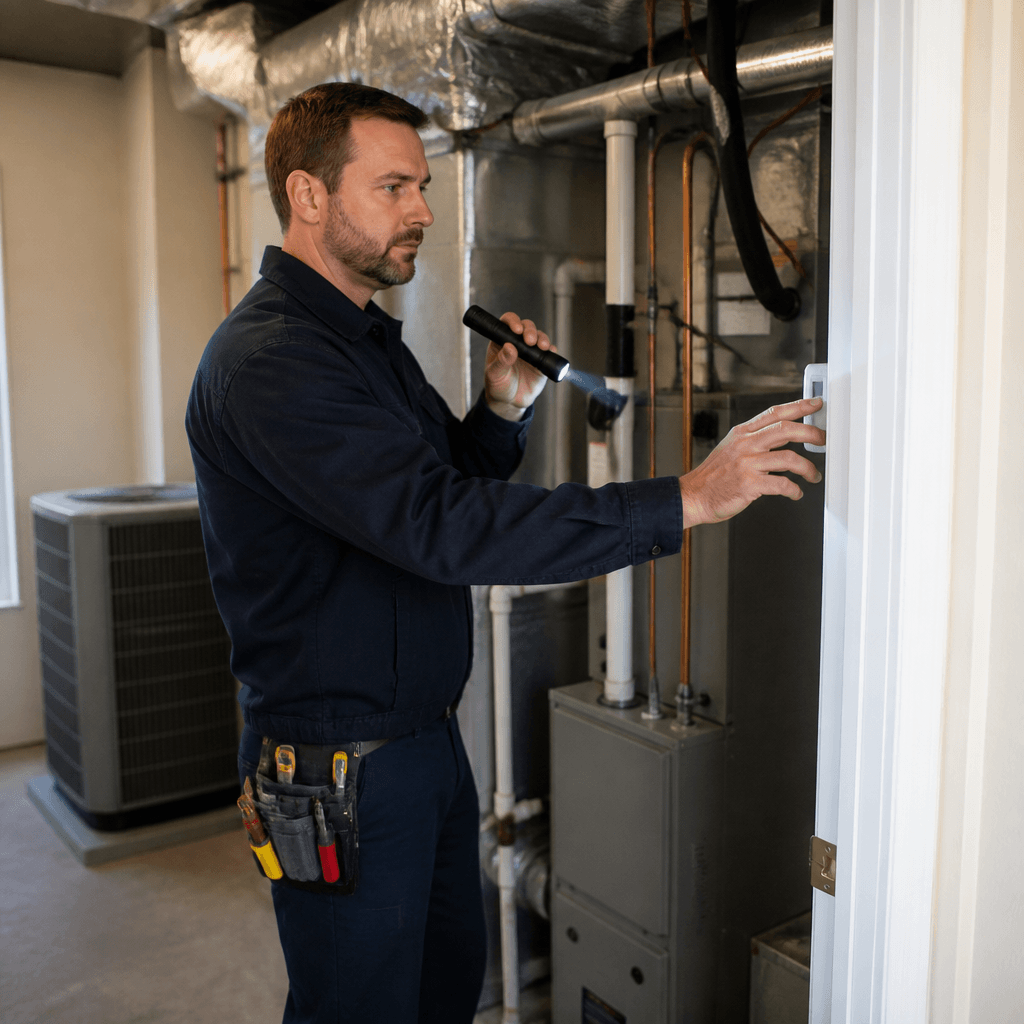
A dual fuel HVAC setup pairs a heat pump with a furnace, giving your home two ways to stay warm. The system chooses which source to use based on the outdoor temperature and what makes the most sense at the time. That can help keep your indoor comfort steadier through changing fall and winter weather. It also gives homeowners more control over how heat is delivered when conditions shift.
The heat pump usually handles milder weather because it can warm the home efficiently when temperatures are not too low. When the cold becomes too strong for the heat pump to work as well, the furnace steps in and takes over. This kind of system is built for homes that need reliable winter heating without relying on one unit alone. For many households, that balance can make heating feel more dependable all season long.
Step-by-Step Guide to Dual Fuel Heating
🔍 Step 1: Check How Your Current System Performs
Look for rooms that heat unevenly, longer run times, or rising utility bills. These signs can show that your current setup is not keeping up with seasonal demand.
📋 Step 2: Confirm You Have the Right Equipment
A true dual fuel setup needs both a heat pump and a furnace that can work together. If one part is missing or outdated, the system may not switch between fuel sources the way it should.
🧰 Step 3: Inspect Outdoor Temperature Controls
Dual fuel systems use settings that help decide when the heat pump should stop and the furnace should start. These controls need to be set correctly so the system does not waste energy or delay heat when the weather turns colder.
⚙️ Step 4: Test the System Changeover
Run the system and make sure it moves from one heat source to the other smoothly. This matters because a weak changeover can leave your home uncomfortable and put extra wear on the equipment.
🧼 Step 5: Replace Dirty Air Filters
A clogged filter can slow airflow and make both parts of the system work harder than they should. Clean airflow supports better performance and helps the system move warm air through the house more evenly.
🌡️ Step 6: Review Thermostat Settings
The thermostat should be set so the system knows when to call for heat from each source. Incorrect settings can keep the system from using the most efficient option for the weather.
🔧 Step 7: Schedule a System Check
A trained technician can look at wiring, controls, refrigerant levels, and furnace function. That kind of check helps catch problems before winter puts the system under more pressure.
🏠 Step 8: Prepare for Steady Winter Use
Once the system is set, keep an eye on comfort, airflow, and heat cycles as the season changes. Small changes now can help the system stay reliable when winter heating demand rises.
Common Mistakes to Avoid
A lot of DIY heating problems start when people try to solve the issue without understanding how the two fuel sources work together. That can lead to poor settings, wasted energy, or a system that does not switch the way it should. The best way to avoid trouble is to match each step with how the equipment is designed to perform.
Another common problem is skipping basic checks and going straight to adjustments. That usually happens when someone wants a quick fix, but it can hide the real issue and make the system harder to manage later. Careful inspection and simple maintenance are what keep a dual fuel HVAC for winter heating system working the way it should.
⚠️ Mistake 1: Ignoring Uneven Heating
This happens when homeowners assume one cold room is normal and do not look deeper. Uneven heat can point to airflow issues, poor settings, or a system that is not switching correctly, so it should not be overlooked.
❌ Mistake 2: Using the Wrong Thermostat Settings
This often happens when people change temperatures without checking how the system is supposed to alternate between heat sources. The fix is to confirm the thermostat is set up for dual fuel operation so the system uses each source at the right time.
🚫 Mistake 3: Skipping Filter Changes
Dirty filters are easy to forget, especially when the heat still seems to be working. The problem is that blocked airflow can make the system strain and reduce overall comfort, so regular replacement is important.
⚠️ Mistake 4: Forcing Repairs Without Testing
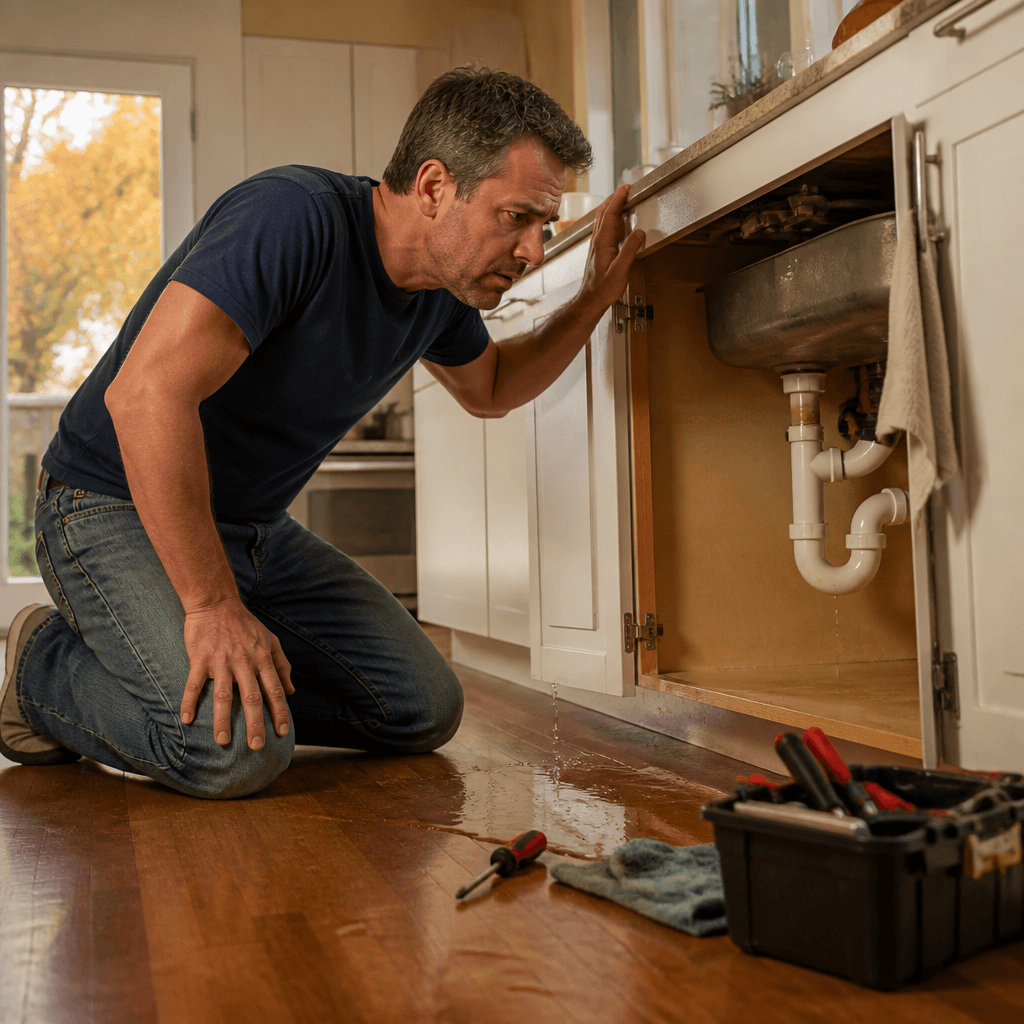
Some people start replacing parts before they know which part is actually causing the issue. That can waste time and money, so it is better to test system behavior first and identify the source of the problem.
❌ Mistake 5: Waiting Until the First Cold Snap
This mistake happens because many homeowners do not think about heating until they need it right away. By then, service schedules are tighter and small issues may have already turned into bigger ones, so early preparation is the safer choice.
Frequently Asked Questions
What is a dual fuel HVAC system?
Yes, a dual fuel HVAC system combines a heat pump and a furnace to heat a home. The system switches between the two based on outdoor conditions so the home can stay comfortable more efficiently.
When should I prepare my dual fuel HVAC for winter heating?
Yes, early fall is the best time to prepare a dual fuel HVAC for winter heating. That gives you time to check settings, replace filters, and fix issues before cold weather puts the system under pressure.
Why does a dual fuel system switch between two heat sources?
Yes, it switches to use the most practical heat source for the outdoor temperature. The heat pump works better in milder weather, while the furnace takes over when temperatures drop too low for the heat pump to do the job as well.
How do I know if my dual fuel system is not working right?
Yes, warning signs usually include uneven heat, longer heating cycles, or higher energy use than expected. Those issues can mean the system is not switching properly or one part of the setup needs attention.
Is a dual fuel HVAC for winter heating a good choice for colder months?
Yes, dual fuel HVAC for winter heating can be a smart choice because it gives your home two ways to stay warm. That flexibility can help balance comfort and efficiency as the weather changes through fall and winter.
Ready for Winter Comfort
A well-set dual fuel system can make cold weather easier to handle and help your home stay more even and comfortable. The key is to check the equipment early, correct the settings, and avoid small problems that can grow into larger ones during the season. When winter heating matters most, preparation gives you a better chance at steady comfort.
We believe the right heating plan should feel simple, reliable, and ready for the weather ahead. If you want to stay connected with our team and keep up with helpful updates, follow us on social media.