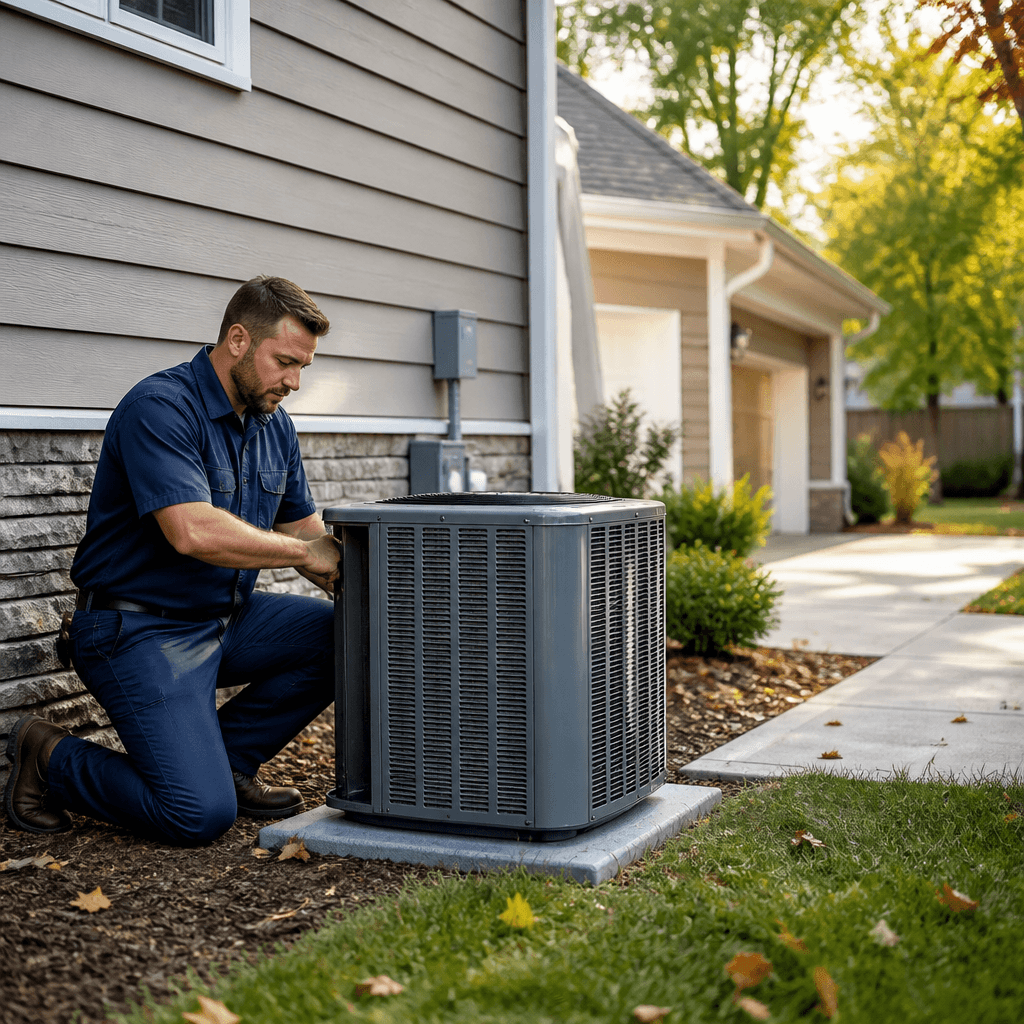
• Plan heat pump installation before fall season to avoid delays, reduce stress, and get your home ready before cooler weather arrives.
• Check your home’s comfort needs, airflow, and system size early so the new heat pump fits the space and works the right way.
• Complete the install ahead of the seasonal rush so you have time to test the system, fix issues, and stay comfortable all season.
Why Fall Planning Matters Now
Late summer is the right time to think about your home comfort before the weather shifts. A heat pump that is not ready can leave you dealing with uneven temperatures, higher energy use, and avoidable stress when cooler days arrive. If you want a smooth seasonal change, our heat pump services can help you stay ahead of problems before they start. Taking action now gives us time to catch small issues before they turn into bigger ones.
Many homeowners wait until the first cool night to think about their heating system. By then, demand is higher and schedules fill up fast, which can make timing harder. When we plan heat pump installation before fall season, we help avoid that rush and give your system a better start. That kind of timing matters because a well-timed install can make the whole house feel more comfortable sooner.
A new heat pump is not just about replacing old equipment. It is about getting the right system in place before the season changes and temperatures become less predictable. We look at the needs of the home, the layout, and the comfort goals so the system is set up to work the way it should. That preparation can make a real difference once fall weather arrives.
What We Focus On Before Installation
Before any equipment goes in, we start by checking the home’s current setup and comfort needs. That means looking at the space, the ductwork if needed, and the type of unit that fits the home best. A careful review helps us avoid guesswork and keeps the installation on the right track. It also gives us a clear path for a cleaner and more efficient setup.
We also pay close attention to system size and placement. If a heat pump is too large or too small, it can waste energy and struggle to keep up with the home’s needs. Proper placement matters too because airflow and access can affect how well the unit performs over time. When we take these details seriously, the system is more likely to serve the home well through the fall and beyond.
Step-by-Step Guide
📝 Step 1: Check Your Current Comfort Issues
Start by paying attention to rooms that feel too warm, too cool, or hard to regulate. These signs can point to a system that is no longer keeping up well and may need attention before colder weather arrives.
🔍 Step 2: Review the Home Setup
Look at the size of the home, the condition of the ductwork, and the space available for new equipment. These details help determine whether a heat pump is a good fit and what type of setup will work best.
📏 Step 3: Match the System to the Home
Choose a unit that is sized for the home instead of picking one based only on price or brand. Correct sizing matters because it helps the system run more evenly and avoids short cycling or weak performance.
🛠️ Step 4: Prepare the Installation Area
Clear the area where the indoor or outdoor unit will be placed so the work can move safely and smoothly. A clean work area helps reduce delays and gives the installer room to do the job correctly.
⚡ Step 5: Confirm Electrical and Mechanical Needs
Make sure the home can support the new system’s power and connection requirements. Heat pumps rely on proper electrical setup and mechanical compatibility, so this step helps prevent installation problems later.
🌬️ Step 6: Test Airflow and Operation
Once the system is installed, check that air moves properly through the home and that the unit cycles the way it should. Testing helps catch setup issues early, which can protect comfort and efficiency.
📆 Step 7: Schedule the Work Before the Rush
Set the installation before fall weather settles in so you are not stuck waiting during a busy season. Early timing gives more room to plan, fix issues, and start the colder months with less worry.
🔧 Step 8: Plan for Ongoing Care
After the install, keep up with regular system checks and filter changes as needed. Routine care helps the heat pump stay dependable and can lower the chance of surprise problems during the season.
Mistakes People Make With Heat Pump Installs
A lot of DIY attempts go wrong because the process looks simpler than it is. Heat pump work involves sizing, placement, airflow, and electrical needs, and missing one step can affect the whole system. These mistakes often show up later as poor comfort, higher bills, or a unit that does not run the way it should.
⚠️ Mistake 1: Choosing the Wrong System Size
This happens when someone picks a unit that looks good on paper but does not match the home. It usually comes from guessing instead of measuring the space and needs correctly. To prevent it, the system should be matched to the home’s layout and comfort demands before anything is installed.
⚠️ Mistake 2: Ignoring Ductwork or Airflow Problems
Some homeowners focus only on the unit and forget the rest of the system. That mistake happens because ductwork issues are easy to overlook, especially if the old system seemed to “kind of work.” The best way to avoid it is to check airflow and duct condition before the install begins.
⚠️ Mistake 3: Rushing the Placement of the Unit
Poor placement can make a system harder to service and less effective over time. People often rush this step because they want the project finished fast or they do not think location matters much. Prevent this by choosing a spot that allows proper airflow, access, and safe operation.
⚠️ Mistake 4: Skipping Electrical Checks
This mistake happens when the install moves ahead without confirming the home can support the equipment. It often comes from assuming the old setup is good enough for the new unit. To avoid it, the electrical side should be checked before the system is powered on.
⚠️ Mistake 5: Waiting Until Fall Starts
Many people wait too long and then run into scheduling delays or sudden comfort issues. This happens because the need feels far away until the temperature drops. The best prevention is to plan heat pump installation before fall season so there is time to get the work done without the seasonal rush.
Frequently Asked Questions
When is the best time to install a heat pump?
Yes, late summer is often a smart time to schedule the work. It gives homeowners time to get ready before cooler weather arrives and helps avoid the busy fall rush. Planning early also makes it easier to handle any issues that come up during the installation process.
Why should I consider heat pump installation before fall season?
Yes, doing a heat pump installation before fall season helps you stay ahead of weather changes. It reduces the chance of being stuck without reliable comfort when temperatures start to drop. It also gives the system time to be tested and adjusted before you really need it.
How do I know if my home is ready for a heat pump?
Yes, a home can usually be checked by looking at the space, airflow, and electrical setup. If the current system has trouble keeping rooms even, that may be a sign a new setup is needed. A proper evaluation helps determine whether the home can support the new equipment well.
Can a heat pump handle both warm and cool weather?
Yes, a heat pump can provide both heating and cooling. That is one reason it is such a useful system for seasonal changes. It moves heat rather than creating it the same way a furnace does, which helps it work in different parts of the year.
What happens if I wait until fall to install one?
Yes, waiting until fall can make the process more stressful. Schedules tend to fill up when the weather changes, and that can delay your project. Starting earlier gives you more control and lowers the risk of dealing with comfort problems at the wrong time.
Final Thoughts on Getting Ahead of Fall
Planning your heating system early can make the transition into cooler weather much easier. When we take time to check the home, match the right equipment, and install it before the season changes, we set up the system for better performance from the start. That kind of preparation can save stress later and help the home feel more comfortable when fall arrives.
A smart install is about more than putting in new equipment. It is about making sure the system fits the home, works the way it should, and is ready when the temperature drops. For more updates and helpful company news, follow us on social media.