• Water treatment systems can help fix hard water, improve taste, and reduce buildup before it leads to bigger plumbing problems.
• The right system depends on your water test results, your home’s water use, and the space available for installation.
• Regular maintenance and the right setup can help protect fixtures, appliances, and daily comfort for the long run.
Why Home Water Quality Matters Now
When your water looks clear, it can still carry minerals, buildup, or other issues that affect your home every day. In summer, those problems often show up faster because water use usually goes up and so does strain on your plumbing. If you have been thinking about water treatment systems for homes explained, now is the right time to understand what your water may need.
Hard water can leave spots on fixtures, make soap work poorly, and wear down appliances over time. It can also affect how your showers feel and how clean your laundry looks. We help homeowners get ahead of these issues before they turn into bigger repair costs, and our water treatment services are built to make that process easier.
The right system depends on what is in your water and what you want to fix. Some homes need help with minerals, while others need better filtration for taste, smell, or sediment. When you understand the basics now, you can make a smarter choice before everyday water problems become harder to ignore.
How Water Treatment Systems Work
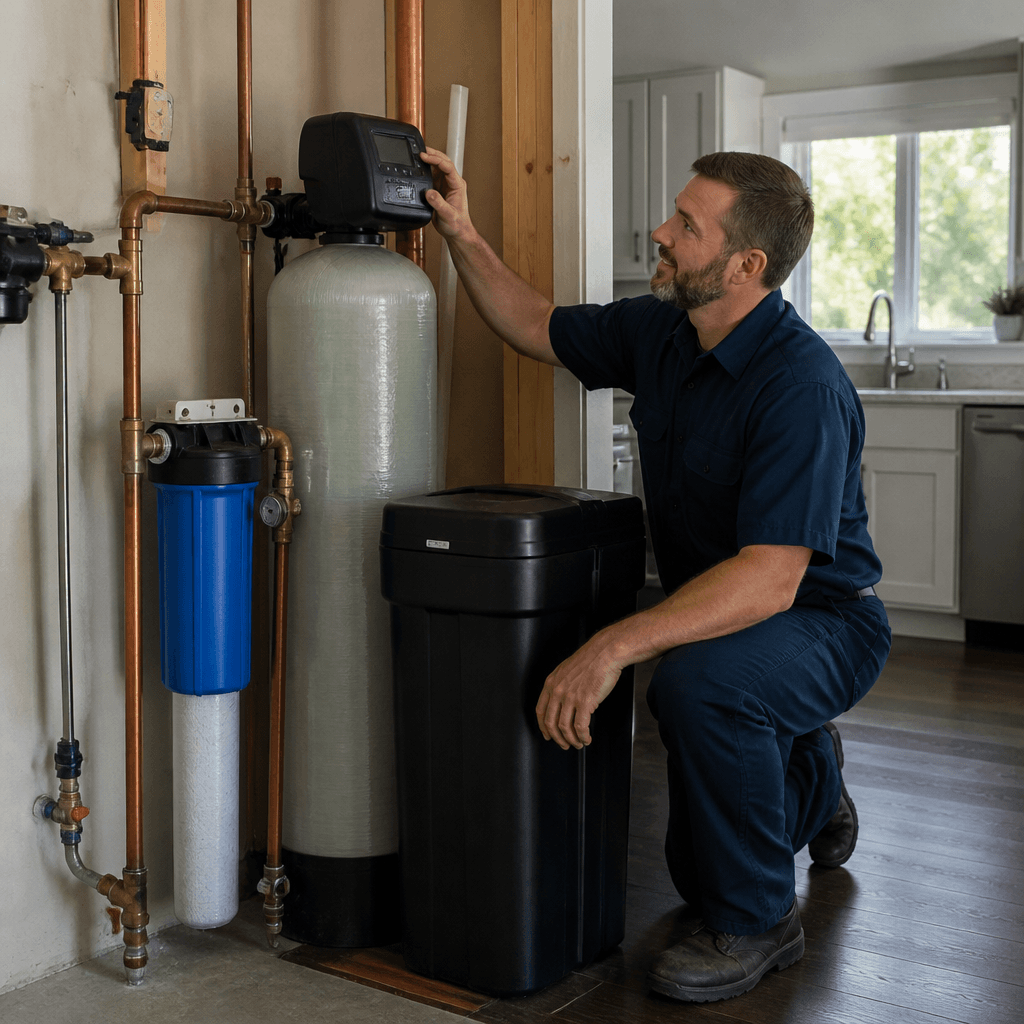
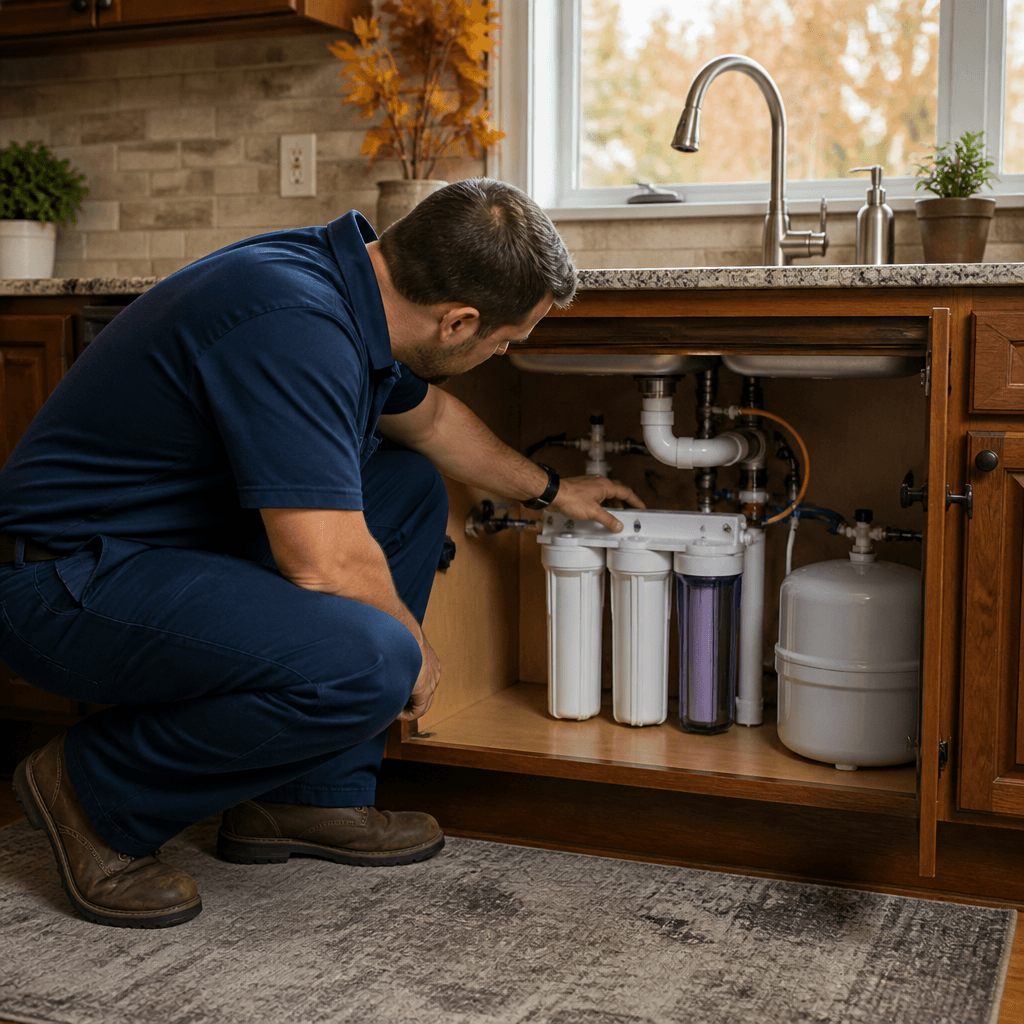
A water treatment system improves water by targeting specific problems before that water reaches your taps. Some systems soften water by reducing mineral content, while others filter out particles or help improve overall water quality. The goal is not to treat every home the same way, but to match the solution to the issue.
System choice also depends on how your home is set up and how much water your family uses. A smaller household may have very different needs than a busy home with multiple bathrooms and regular appliance use. With water treatment systems for homes explained, the key is learning how each type works so you can choose a setup that fits your daily routine.
Step-by-Step Guide
🧪 Step 1: Test Your Water
Start by finding out what is actually in your water. Test results can show hard minerals, sediment, chlorine, or other concerns that shape your next move. Without this step, it is easy to choose the wrong system and miss the real problem.
🚰 Step 2: Notice the Signs
Look for soap that will not rinse well, scale on faucets, cloudy spots on dishes, or dry-feeling skin after showers. These clues often point to hard water or poor filtration. Paying attention to daily changes helps you connect the problem to the right solution.
📋 Step 3: Match the System to the Issue
Choose a system based on what your test results show, not just on a general guess. A water softener is used for mineral-heavy water, while a filter is better for reducing particles or improving taste. This is where water treatment systems for homes explained becomes useful in a real-world way.
🔧 Step 4: Check Your Home’s Water Use
Think about how many people live in the home and how often water is used each day. Homes with higher demand may need a system that can handle steady flow without losing performance. This keeps pressure, comfort, and water quality more consistent.
📏 Step 5: Review Installation Space
Make sure you know where the system will go before you buy anything. Some units need room near the main water line, while others need access for upkeep and salt or filter changes. A tight or poorly planned space can lead to avoidable installation problems.
🛠️ Step 6: Plan for Regular Maintenance
Every system needs some kind of routine care to keep working well. That may include replacing filters, adding salt, or checking parts for wear. Skipping maintenance can reduce system performance and shorten its lifespan.
💧 Step 7: Watch Water Results After Install
After the system is in place, keep an eye on how the water feels, smells, and works in the home. Changes in soap use, fixture buildup, and appliance performance can show whether the system is doing its job. Small check-ins help you catch issues early.
🧰 Step 8: Call a Pro When Needed
If the water problem is unclear or the system is not working the way it should, get help from a trained plumber. A pro can check water quality, confirm the right setup, and make sure the system is installed correctly. That can save time, money, and frustration later.
Common DIY Mistakes
A lot of homeowners try to fix water issues quickly and end up making the problem harder to solve. Most mistakes happen because people skip testing, choose the wrong system, or ignore how the home actually uses water. Knowing what to avoid can save time and keep the system from underperforming.
⚠️ Mistake 1: Skipping Water Testing
This happens when people buy a system based on a guess instead of real results. It often leads to the wrong fix because hard water, sediment, and taste issues need different answers. To prevent this, test the water first so the system matches the actual issue.
❌ Mistake 2: Choosing the Wrong Type of System
Some homeowners think any treatment unit will solve every problem. That is a mistake because softeners, filters, and other systems do different jobs. Prevent this by matching the equipment to the water concern shown in the test.
🚫 Mistake 3: Ignoring Household Water Demand
People often forget to account for how much water the home uses each day. This can cause weak performance, poor pressure, or faster wear on the system. Prevent it by choosing a system that fits the number of people and fixtures in the home.
⚠️ Mistake 4: Overlooking Installation Space
This mistake happens when someone buys a system before checking where it will be installed. Tight spaces or poor access can make setup difficult and future maintenance frustrating. Prevent it by measuring the area and making sure the unit has enough room.
❌ Mistake 5: Forgetting Routine Maintenance
Some homeowners assume the system will keep working on its own forever. That leads to clogged filters, weak treatment results, or avoidable breakdowns. Prevent this by following the care schedule for the specific system you install.
Frequently Asked Questions
What does a water treatment system do for a home?
Yes, a water treatment system helps improve the water that comes into your home. It can reduce hard minerals, filter unwanted particles, and improve taste or smell depending on the type of system you choose. The right setup depends on what your water test shows.
How do I know if I need water treatment systems for homes explained?
Yes, signs like scale on fixtures, cloudy dishes, poor soap lather, or odd-tasting water can point to a need for treatment. A water test gives the clearest answer because it shows exactly what is in the water. That makes it much easier to choose the right solution.
Is a water softener the same as a filter?
No, a water softener is not the same as a filter. A softener is used to reduce hard minerals, while a filter is used to remove certain particles or improve water quality in other ways. Many homes need one or the other, and some need both.
How long does a home water treatment system last?
Yes, many systems can last for years when they are maintained the right way. Lifespan depends on the system type, water quality, and how often parts like filters or salt are replaced. Regular care helps the system keep doing its job.
Can a water treatment system help my appliances?
Yes, it can help protect appliances from mineral buildup and other water-related wear. Cleaner water can help water heaters, dishwashers, and washing machines work more reliably over time. That can reduce strain and help those appliances last longer.
Bringing It All Together
Understanding water treatment is an important step for any homeowner who wants cleaner, more reliable water. When you know how the system works, what signs to watch for, and what mistakes to avoid, you can make a better choice for your home. For families dealing with hard water or other water concerns, the right setup can make daily life feel much easier.
If you are ready to take the next step, we are here to help you make sense of your options and protect your plumbing and appliances. A good water system should fit your home, your water use, and your comfort goals. To keep up with our latest updates, follow us on social media.